
This company has no active jobs

Wooden Pallets For Sale
About Us
See What Pallets Warehouse Tricks The Celebs Are Using
Understanding Pallet Warehousing: A Comprehensive Guide
In contemporary supply chain management, reliable warehousing is vital for optimizing performance and making the most of earnings. Amongst the many components of warehousing, pallets play a vital role. The following post digs into the world of pallet warehousing, discussing its significance, types of pallets, best practices, and typical difficulties faced by warehouse operators.
What is a Pallet?
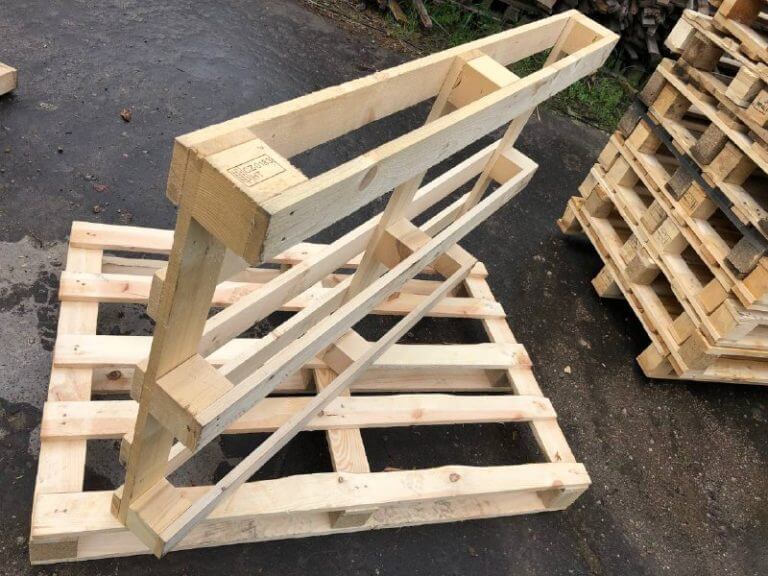
A pallet is a flat structure used to support items in a stable way while being lifted by a forklift, pallet jack, or comparable equipment. Pallets are usually made from wood, plastic, or metal and act as the base for carrying items in different industries, consisting of food and drink, pharmaceuticals, construction, and retail.
Why Choose Pallet Warehousing?
Advantages of Pallet Warehousing
-
Effectiveness: Pallets enhance the loading and dumping procedure. Making use of forklifts enables for quick motion of goods, lowering managing time and labor costs.
-
Space Optimization: Palletized storage approaches can make the most of vertical space in a warehouse. Pallets can be stacked, which permits for higher inventory density.
-
Boosted Protection: Using pallets can help secure goods from damage during storage and transportation because they keep items raised off the flooring and lower direct exposure to moisture or spills.
-
Standardization: The usage of pallets offers harmony in storage and transportation, making inventory management simpler.
Table 1: Comparison of Different Pallet Types
| Pallet Type | Product | Weight Capacity | Cost | Life-span |
|---|---|---|---|---|
| Wooden Pallet | Wood | 1,500 – 2,800 pounds | Low | 3-5 years |
| Plastic Pallet | Plastic | Up to 3,000 lbs | Medium | 5-10 years |
| Metal Pallet | Metal | Approximately 5,000 lbs | High | 10+ years |
| Composite Pallet | Mixed | Approximately 2,000 pounds | Medium | 5-7 years |
Best Practices for Pallet Warehousing
To take full advantage of efficiency and security in pallet warehousing, follow these best practices:
-
Standardize Pallet Sizes: Using basic pallet dimensions can simplify storage, managing, and transportation.
-
Regular Inspection: Conduct regular examinations of pallets to determine any indications of damage. Using damaged Pallets Warehouse can pose safety dangers.
-
Implement FIFO (First In, First Out): This technique ensures that older stock is used first, lowering the threat of putridity and waste, specifically essential in industries like food supply.
-
Enhance Layout: Design warehouse designs to lessen travel time. Pallet racking systems can be set up to increase availability and optimize storage space.
-
Invest in Technology: Use warehouse management systems (WMS) and stock tracking software application to simplify operations, screen stock levels, and handle pallet motions.
-
Training Employees: Proper training for personnel on pallet handling and security procedures can avoid mishaps and enhance effectiveness.
Table 2: Common Warehouse Technologies
| Innovation | Performance | Advantages |
|---|---|---|
| Warehouse Management System (WMS) | Inventory tracking, order management | Enhanced precision, optimized operations |
| Barcode Scanners | Tracks pallet movements | Fast data collection, reduces errors |
| RFID Technology | Automates stock tracking | Enhanced presence and accuracy |
| Automated Storage and Retrieval Systems (AS/RS) | Automates storage and retrieval of pallets | Makes the most of space and labor performance |
Difficulties in Pallet Warehousing
While pallet warehousing has many benefits, it is not without its obstacles. Here are some common issues that warehouse operators face:
-
Damage to Pallets: Frequent usage of pallets can lead to use and tear. Recognizing and changing damaged pallets is important, as they can cause item damage or safety risks.
-
Area Limitations: Not all warehouses are created with pallet storage in mind. Insufficient area can cause overcrowding, which impacts efficiency and security.
-
Stock Management: Keeping track of pallets and their contents can be complicated without proper inventory management systems.
-
Workforce Management: Balancing labor force requirements with operational needs can be tough, particularly throughout peak seasons.
-
Regulative Compliance: Adhering to regional policies, particularly in industries like food and pharmaceuticals, requires attention to detail.
Regularly Asked Questions (FAQs)
Q1: What are the basic dimensions of pallets?A1: The most
common pallet size is 48 x 40 inches, especially in North America. However, pallet sizes can vary worldwide, with dimensions like 1,200 x 800 mm being standard in Europe.
Q2: How do I pick the ideal pallet type for my business?A2: Consider
elements such as cost, load-bearing capacity, resilience requirements, and hygiene requirements. Wooden pallets are affordable, while plastic pallets may use better sanitation.
Q3: How can I extend the lifespan of my pallets?A3: Regular
inspections for damage, appropriate storage methods, and avoiding overload will assist extend the lifespan of pallets.
Q4: Are there any eco-friendly pallet options?A4: Yes, look for pallets made from recycled products or sustainable sources. Some companies likewise use rental services to lower waste. Q5: What is the difference between a wooden palletand a plastic pallet?A5: Wooden pallets are normally less costly however might not be as long lasting or hygienic as plastic pallets. Plastic pallets are frequently much easier to clean and less most likely to absorb moisture or harbor pests but come at a greater upfront cost. Pallet warehousing is an integral part of supply chain operations, using substantial advantages while also presenting distinct obstacles. By understanding the different kinds of pallets, best practices for warehousing, and guaranteeing robust stock management systems are in place, services can create efficient and reliable logistics operations. With correct preparation and execution, pallet warehousing can play an important role in boosting business efficiency and success.


