This company has no active jobs
About Us
Mobility Ramps’s History Of Mobility Ramps In 10 Milestones
Mobility Ramps for Homes: Enhancing Accessibility and Independence
As society continues to evolve towards inclusivity and ease of access, mobility ramps have actually become essential components in numerous homes. These ramps not just provide a way of entry for people with mobility difficulties but also promote independence, security, and benefit. This blog post explores the different elements of mobility ramps for homes, guiding homeowners through their types, advantages, setup considerations, upkeep, and regularly asked questions.
Comprehending Mobility Ramps
Mobility ramps are designed to assist in the motion of people using wheelchairs, scooters, or other mobility aids. They enable simpler access to homes, garages, and exit points without the need for considerable physical exertion or support.
Secret Benefits of Mobility Ramps
-
Independence: Mobility ramps empower people to enter and exit their homes without counting on help, fostering a sense of independence.
-
Safety: A proper ramp decreases the danger of falls and injuries that can take place when maneuvering stairs.
-
Adaptability: These ramps can be built for different environments and can be temporary or irreversible services.
-
Home Value: Installing a mobility ramp can increase the overall value of a home as it promotes inclusivity.
-
Ease of Use: Designed for a variety of Mobility Ramps For Home levels, ramps accommodate wheelchairs, walkers, and individuals with restricted mobility.
Kinds Of Mobility Ramps
Selecting the ideal mobility ramp depends upon particular needs, physical area, and budget. Here’s a comprehensive comparison of typical kinds of mobility ramps:
| Ramp Type | Description | Pros | Cons |
|---|---|---|---|
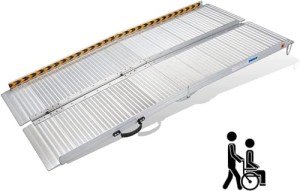
| Portable Ramps | Lightweight, quickly transportable ramps, frequently made from aluminum. | Easy to keep and move, ideal for temporary needs. | Limited weight capacity, may not be suitable for long-term usage. |
| Limit Ramps | Short ramps created to bridge entrances or doorways. | Simple installation, useful for little height distinctions. | Not ideal for larger stairs or steep inclines. |
| Irreversible Ramps | Developed from wood, aluminum, or concrete, these ramps are implied for long-lasting usage. | Tough and durable, adjustable to numerous lengths and heights. | More expensive and may need planning/building permits. |
| Folding Ramps | Ramps that can fold for simple transport or storage. | Storable and great for numerous uses. | Potentially less steady than irreversible choices. |
| Modular Ramps | Pre-fabricated areas that can be assembled to develop a custom ramp style. | Easy to install and reorganize, versatile to different areas. | May have a greater in advance expense compared to other ramps. |
Setup Considerations
Prior to adding a mobility ramp to a home, numerous aspects need to be considered to guarantee optimum performance and security:
-
Space Assessment: Measure the location where the ramp will be installed, representing existing structures and pathways.
-
Structure Codes: Familiarize yourself with regional building regulations and policies to make sure compliance, particularly for permanent ramps.
-
Slope Ratio: The Americans with Disabilities Act (ADA) advises a slope ratio of 1:12 for wheelchairs. This implies for every inch of vertical increase, there should be at least 12 inches of ramp run.
-
Material Selection: Choose a product that is long lasting and weather-resistant to lengthen the ramp’s life expectancy.
-
Surface area Texture: Ensure the ramp has a non-slip surface area to lower the danger of mishaps, especially in severe weather condition.
-
Handrails: Consider setting up hand rails for additional support, especially on longer ramps or those with steeper slopes.
Maintenance of Mobility Ramps
Maintaining mobility ramps is important for ensuring security and longevity. Here are some ideas:
-
Regular Inspections: Inspect the ramp frequently for damage, wear, or loose bolts that might affect stability.
-
Cleaning up: Keep the ramp clear of debris, such as leaves and snow, to avoid slipping risks.
-
Surface Repair: Address any surface concerns, such as splitting or splintering, in wooden ramps immediately.
-
Repaint if Necessary: For metal ramps, repainting can help prevent rust and degeneration.
-
Inspect Handrails: Ensure hand rails are safely attached and can support weight when needed.
Often Asked Questions (FAQ)
1. Do I need a license to set up a mobility ramp?
Yes, depending upon regional policies, a permit might be needed, especially for long-term ramps. It’s suggested to talk to your regional structure authority.
2. Just how much does a mobility ramp cost?
The cost of mobility ramps varies widely based on the type, products, and setup requirements. Portable ramps can begin at a couple of hundred dollars, while permanent ramps can vary from ₤ 1,000 to ₤ 5,000 or more.
3. Can I install a ramp myself?
While some portable ramps are simple to install, irreversible ramps frequently need expert installation to guarantee safety and compliance with building codes.
4. How do I figure out the best slope for my ramp?
Follow the ADA guidelines of a 1:12 slope ratio for wheelchairs. Furthermore, think about the particular needs of the user and the area available.
5. What materials are best for outside ramps?
Aluminum, dealt with wood, and concrete are popular alternatives for outside ramps due to their resilience and resistance to weather.
6. Are there insurance benefits for setting up mobility ramps?
Some insurance coverage may cover mobility adjustments, including ramps. Constantly contact your insurance coverage supplier for protection information.
In conclusion, mobility ramps represent an important element of home accessibility, cultivating self-reliance, security, and inclusiveness. By understanding the various types readily available, considering setup requirements, preserving them efficiently, and looking for answers to common concerns, house owners can guarantee an encouraging environment for those with mobility challenges. Making the ideal options relating to mobility ramps can considerably improve the quality of life for people and their households.