This company has no active jobs

Shipping Container Transport
About Us
Everything You Need To Learn About Shipping Containers
The Versatile World of Shipping Containers: More Than Just Cargo Carriers
Shipping containers are frequently seen as mundane metallic boxes that facilitate global trade. However, their adaptability extends far beyond transferring items across oceans. From ingenious housing solutions to pop-up stores and even art installations, shipping containers are transforming different markets. This article explores the multifaceted applications of shipping containers, offering insights into their use, benefits, and the future capacity they hold.

The Basics of Shipping Containers
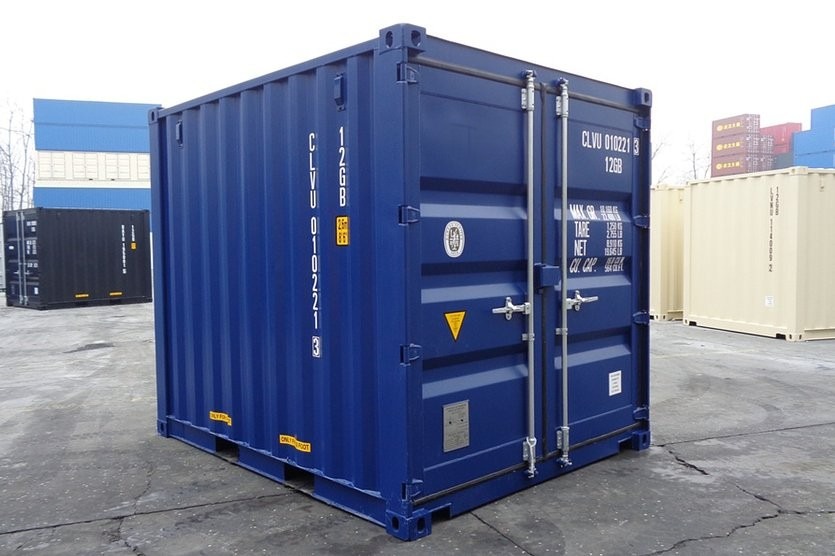
Shipping containers were established in the mid-20th century to streamline international shipping. Offered in basic sizes– most commonly 20-foot and 40-foot– they have actually become the backbone of worldwide trade.
Table 1: Common Shipping Container Dimensions
| Container Type | Length (feet) | Width (feet) | Height (feet) | Typical Volume (cu ft) |
|---|---|---|---|---|
| Standard | 20 | 8 | 8.5 | 1,169 |
| High Cube | 40 | 8 | 9.5 | 2,694 |
| Standard | 40 | 8 | 8.5 | 2,390 |
| High Cube | 20 | 8 | 9.5 | 1,350 |
These dimensions make them perfect for numerous usages aside from conventional shipping.
Diverse Applications of Shipping Containers
1. Housing and Modular Construction
Among the most exciting developments in shipping container use is their adjustment for housing. Compact, durable, and fairly inexpensive, they use distinct solutions to the housing crisis.
- Price: Compared to traditional building methods, constructing homes with shipping containers can minimize costs by 20-30%.
- Sustainability: By recycling old containers, builders can produce low-impact homes that minimize waste.
- Speed of Construction: Container homes can be developed quickly, typically within weeks, thanks to their modular nature.
List of Container Home Features
- Energy efficiency (solar panels, effective insulation)
- Customizability (flooring plans, styles)
- Mobility (quickly transported)
- Resilience (resilient under extreme weather condition)
2. Retail and Pop-Up Shops
Shipping containers are becoming progressively popular as retail areas. They can be changed into pop-up stores, food stalls, and even permanent stores. This pattern is especially noted in urban locations where space is important.
- Versatility: They can be put virtually anywhere, targeting high-traffic areas.
- Branding: Unique container designs can boost a brand name’s image, bring in consumers.
- Cost-effectiveness: Lower overhead costs make it easier for small companies to go into the market.
Table 2: Advantages of Shipping Containers in Retail
| Benefit | Description |
|---|---|
| Lower rental expenses | Less expensive than conventional retail areas |
| Brief setup time | Quick installation enables rapid entry |
| Customization options | Easy to customize for branding needs |
| Eco-friendly choice | Utilizes recycled materials |
3. Catastrophe Relief and Emergency Shelters
In times of natural disasters, shipping containers are significantly used as short-term shelters. Their resilience and weather resistance make them appropriate for rapid implementation in crisis scenarios.
- Quick Deployment: Containers can be carried to affected locations rapidly.
- Long lasting: Designed to stand up to severe conditions, they provide reliable shelter.
- Adjustable: Can be modified into numerous types of accommodations, from single systems to larger recreation center.
4. Art Installations and Creative Spaces
Artists have begun utilizing shipping containers as canvases and galleries. Their unique shapes and sizes motivate ingenious setups, making them a stylish choice in public and private art projects.
List of Artistic Applications
- Interactive art installations
- Gallery spaces for exhibitions
- Performance locations
- Mobile art studios
Shipping Containers: A Sustainable Choice
The shift towards sustainability can not be neglected. Utilizing shipping containers motivates recycling and adaptive reuse, helping to minimize the carbon footprint related to traditional structure materials. Furthermore, many container homes and businesses stress energy performance through making use of green technologies.
Table 3: Environmental Benefits of Using Shipping Containers
| Benefit | Description |
|---|---|
| Lowered Waste | Recycling old containers lessens landfill usage |
| Lower Energy Consumption | Numerous designs concentrate on eco-friendly practices |
| Minimal Resource Use | Requires less new products compared to standard builds |
FAQs about Shipping Containers
Q1: Can shipping containers be used for long-lasting housing?
A1: Yes, lots of housing tasks utilize Shipping Container Dimensions (www.kristophermezquita.top) containers as long-term residences, especially in areas dealing with housing shortages.
Q2: How do shipping containers hold up against extreme weather?
A2: Shipping containers are created to withstand severe marine conditions, making them resilient against severe weather condition occasions.
Q3: Are shipping containers safe to utilize?
A3: Yes, correctly modified shipping containers meet developing codes and safety requirements. It’s necessary to speak with experts throughout the modification process.
Q4: What are the expenses associated with purchasing and modifying a shipping container?
A4: The cost can vary commonly depending upon size, condition, and modifications but usually ranges from ₤ 1,500 to ₤ 5,000 for the container itself, with extra expenses for modification that can surpass the preliminary purchase price.
Q5: Where can I buy shipping containers?
A5: Shipping containers can be bought from specialized dealers, shipping companies, or online marketplaces.
The Future of Shipping Containers
As the world continues to accept sustainability and ingenious solutions, the prospective applications of shipping containers will only grow. Architects, business owners, and communities are constantly finding new ways to repurpose these when simply practical objects.
Shipping containers are not just vessels for transferring items; they are transforming living and working areas, fostering imagination, and paving the way for a more sustainable future. As we continue to establish these solutions, the modest shipping container might really well end up being a symbol of development in the 21st century.