This company has no active jobs

Robot Vacuum Cleaner Top 10
About Us
How Vaccum Robot Became The Hottest Trend Of 2024
The Rise of the Vacuum Robot: Your Ultimate Cleaning Companion
In an age where time is typically better than money, innovation has actually taken spotlight in the quest for benefit. Among the innovations developed to simplify our every day lives is the vacuum robot, a gadget that has changed home cleaning. With its ability to tidy autonomously, the vacuum robot uses not just effectiveness but also enhanced living experiences. In this extensive blog post, we will explore the numerous elements of vacuum robots, including how they work, their benefits and disadvantages, contrasts among popular models, and often asked questions.
What is a Vacuum Robot?
A vacuum robot is a small, automated device equipped with sensors and brushes developed to browse through a home, determining and cleaning dirt and particles from floorings, carpets, and even hard-to-reach areas. These gadgets operate utilizing innovative innovation, including mapping software, barrier detection, and often even smart-home integration.
How Do Vacuum Robots Work?
Vacuum robots utilize sensing units and a combination of brushes and suction power to tidy floors efficiently. Below is a high-level table summing up the essential elements that comprise a vacuum robot:
| Component | Function |
|---|---|
| Sensing units | Detect obstacles, changes in floor height, and dirt build-up |
| Brushes | Upset dirt and particles from surfaces before suction |
| Suction System | Catches dirt and debris into a dustbin |
| Navigation Software | Maps the environment for effective cleaning courses |
| Battery | Powers the gadget for autonomous operation |
| Smart Connectivity | Enables remote control and scheduling by means of mobile apps |
Advantages of Vacuum Robots
-
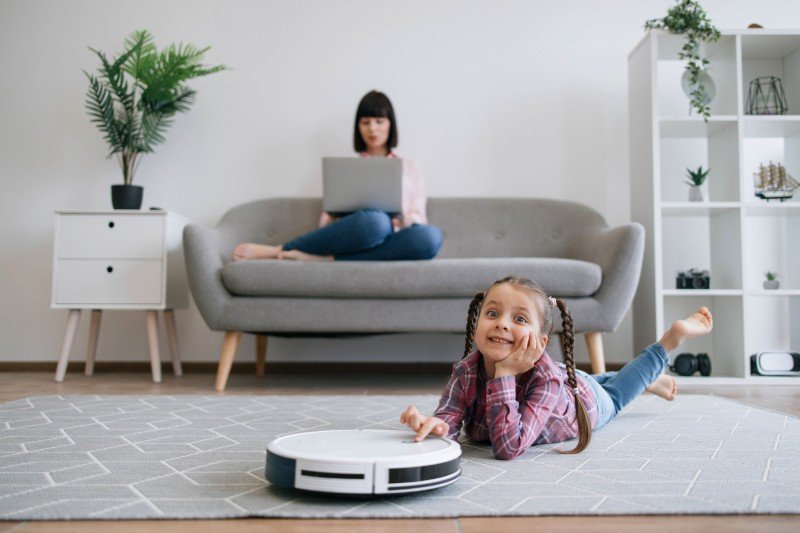
Convenience: The main appeal of vacuum robots is their capacity to operate instantly. Users can schedule cleaning sessions, enabling the gadget to work while they concentrate on other tasks.
-
Time-Saving: Vacuum robots can lower the time invested in routine cleaning. An average household might reclaim several hours every week.
-
Ease of Use: Most models include user-friendly user interfaces, making them accessible to any age groups.
-
Advanced Features: Many vacuum robots are geared up with smart features that allow them to map homes, go back to their charging docks when low on battery, and even be controlled through mobile phone applications.
-
Pet-Friendly: For family pet owners, vacuum robots can be especially useful, as numerous models are developed specifically to manage animal hair and dander.
Downsides of Vacuum Robots
-
Cost: High-end designs can be quite costly compared to standard vacuums.
-
Minimal Capability: While they are exceptional for regular cleaning, vacuum robots might not perform along with upright vacuums on deep cleaning tasks.
-
Maintenance: Regular emptying of the dustbin, cleaning brushes, and occasional battery replacements are required to keep the device operating effectively.
-
Navigation Issues: Although advanced navigation systems exist, some models might still battle with complex room designs or obstacles.
-
Sound Level: Some vacuum robots can be noisier than expected, which can be an issue in quieter environments.
Popular Vacuum Robot Models
With a saturated market, it can be challenging to choose the right vacuum robot. Here’s a relative table of a few of the high-ranking designs available today:
| Model | Rate Range | Battery Life | Suction Power | Smart Features |
|---|---|---|---|---|
| iRobot Roomba 980 | ₤ ₤ | 120 minutes | Strong | Mobile app, voice control |
| Roborock S7 | ₤ ₤ ₤ | 180 minutes | Very Strong | Mapping, mopping function |
| Ecovacs Deebot | ₤ ₤ | 110 mins | Moderate | App control, barrier avoidance |
| Neato D7 | ₤ ₤ ₤ ₤ | 120 minutes | Strong | Laser navigation, zone cleaning |
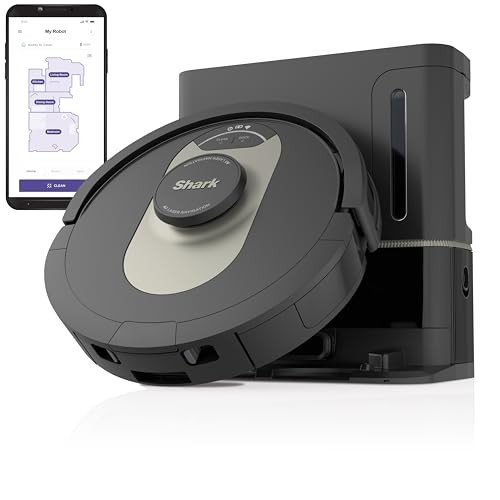
| Shark Ion Robot | ₤ ₤ | 90 mins | Moderate | WiFi connectivity |
Frequently Asked Questions (FAQs)
1. How do I select the ideal vacuum robot for my home?
When selecting a vacuum robot vacuum Cleaner top 10, think about aspects such as your budget plan, the size of your home, the types of floor covering you have, and whether you have animals. Functions like mapping technology and suction power are likewise vital for ideal performance.
2. Can vacuum robots deal with all floor types?
The majority of vacuum robots are developed to work on various surface area types, including hardwood, tile, and carpet. Nevertheless, constantly examine the requirements to make sure compatibility.
3. How often should I run my vacuum robot?
For optimum tidiness, it is suggested to run your vacuum robot at least 2 to 3 times a week, although daily cleaning is valuable if you have pets or children.
4. Are vacuum robots easy to keep?
Yes, vacuum robots are simple to keep, requiring jobs like emptying the dustbin, cleaning the brushes, and occasionally replacing filters. A lot of models will provide notifications for maintenance jobs by means of their apps.
5. How loud are vacuum robots compared to traditional vacuums?
Vacuum robots are normally quieter than conventional vacuums. The noise level typically ranges between 60 to 70 decibels, making them ideal for constant use even when individuals are at home.
Vacuum robots have actually become more than simply stylish gadgets– they are useful services for busy households looking for to streamline their cleaning routines. By comprehending their functionalities, benefits, and restrictions, users can make informed decisions on the designs that best fit their requirements. With improvements in technology, vacuum robots are most likely to end up being even more efficient, making house cleaning easier than ever. Whether through automated cleaning schedules or effective suction abilities, vacuum robots represent the future of home upkeep.
As we further accept technological innovations, one thing is certain: our homes will never be the very same once again.