This company has no active jobs

Oven Hood
About Us
Three Common Reasons Your Cooker Hood Isn’t Working (And Solutions To Resolve It)
Understanding Kitchen Cooker Hoods: A Comprehensive Guide
In the heart of every home, the kitchen stands as an important center where meals are prepared, flavors are explored, and memories are created. Nevertheless, cooking can likewise feature its disadvantages, such as smoke, steam, grease, and odors that linger long after the meal is made. Enter the Kitchen Cooker Hood (Www.sidfortney.Top), a home appliance that plays an invaluable role in keeping a tidy and enjoyable kitchen environment. This short article will check out the numerous kinds of cooker hoods, their advantages, crucial functions to consider, and typical questions surrounding their usage.
What is a Kitchen Cooker Hood?
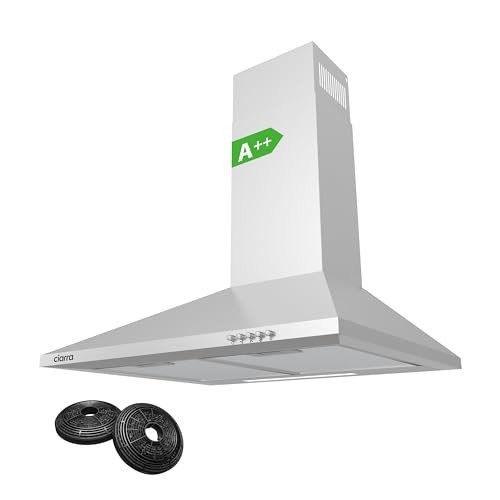
A kitchen cooker hood, likewise known as an exhaust hood or range hood, is a gadget set up above the cooking surface area. Its main function is to filter and vent contaminants, such as smoke and odors, away from the kitchen. Cooker hoods can make use of various approaches to accomplish this task, consisting of ducted and ductless systems.
Types of Cooker Hoods
To better comprehend the choices available, here’s a relative summary of the various kinds of cooker hoods:
| Type | Description | Pros | Cons |
|---|---|---|---|
| Wall-Mounted | Connected to the wall above the cooking location | Space-saving, elegant styles | Restricted grab bigger cooking areas |
| Under-Cabinet | Installed under kitchen cabinets | Maintains cabinet aesthetics | Might be less powerful than bigger designs |
| Island | Suspended above a kitchen island | Perfect for open-concept areas | Requires ceiling setup |
| Downdraft | Withdraws into the countertop when not in usage | Streamlined design, conserves overhead area | Generally less effective |
| Professional | High-performance units for major cooks | Superior ventilation and capacity | More expensive, needs more maintenance |
Benefits of Using a Cooker Hood
Installing a cooker hood in your kitchen offers numerous advantages:
-
Improved Air Quality: Cooker hoods successfully remove airborne grease, smoke, and odors, making sure that the air remains fresh while cooking.
-
Prevention of Mold and Mildew: By minimizing humidity levels produced throughout cooking, hoods assist prevent the growth of mold and mildew.
-
Enhanced Kitchen Aesthetics: With different designs available, cooker hoods can add a touch of modernity and sophistication to any kitchen layout.
-
Reduced Buildup of Grease: Regular operation of a cooker hood prevents grease from accumulating on kitchen surfaces, making clean-up simpler.
-
Increased Kitchen Safety: By removing smoke and potentially hazardous fumes, cooker hoods improve general safety while cooking.
Key Features to Consider
When selecting a cooker hood for your kitchen, think about the following functions:
-
Suction Power (CFM): The power of a hood is measured in cubic feet per minute (CFM). A higher CFM score suggests a capability to eliminate smoke and smells quickly. For many kitchens, a variety of 300-600 CFM is ideal.
-
Noise Level (Sonnes): Some hoods run louder than others. A system with lower sones will supply quieter functionality. Search for hoods that operate listed below 60 sones for a quieter cooking experience.
-
Filtration Type:
- Ducted: Vents contaminated air exterior, requiring ductwork installation.
- Ductless: Cleans the air with filters and recirculates it back into the kitchen, perfect for apartment or condos.
-
Style and Size: Consider the space readily available and the design of the kitchen. The hood should align aesthetically with other kitchen home appliances and in shape easily above the cooktop.
-
Relieve of Cleaning: Filters require to be cleaned up or changed frequently; easy-access designs make this job less difficult.
-
Lighting: Many cooker hoods are geared up with built-in lights to brighten the cooking surface area. Excellent lighting improves visibility while preparing meals.
Often Asked Questions (FAQ)
1. How do I determine the right size of a cooker hood for my kitchen?
To identify the best size, the hood ought to ideally be as wide as or broader than the cooking surface. In addition, consider the height and space available, ensuring it is installed high enough above the stove for safety and correct efficiency.
2. How often should I clean up or change the filters?
It is suggested to tidy metal filters monthly and replace them every couple of months, depending on usage. Charcoal filters in ductless designs might require replacement every 3-6 months.
3. Can I use my cooker hood without ductwork?
Yes, ductless cooker hoods work without substantial ductwork. They filter the air before sending it back into the kitchen. However, ducted options are generally more effective for aerating the kitchen.
4. Are all cooker hoods loud?
Not all cooker hoods are loud. The sound levels differ by model, with some being more effective and quieter than others. Constantly check the sones rating to find a quieter option.
5. Is it required to have a cooker hood?
While not obligatory, a cooker hood is highly suggested for minimizing indoor air contaminants, boosting ventilation, and maintaining a cleaner kitchen environment.
Cooking is an art form that is worthy of the right environment. A kitchen cooker hood is not just an appliance; it is an important tool for promoting security, tidiness, and convenience while cooking. By soaking up undesirable odors, moisture, and air-borne particles, a cooker hood creates a wonderful atmosphere where cooking experiences can flourish. When choosing the right cooker hood, consider your kitchen’s design, your cooking routines, and the range of features readily available to find the ideal match. By investing in a quality cooker hood, homeowners can elevate their cooking experience while ensuring a cleaner and much safer kitchen.