
This company has no active jobs

Kitchen Extractor Hood
About Us
Guide To Small Cooker Hoods: The Intermediate Guide To Small Cooker Hoods
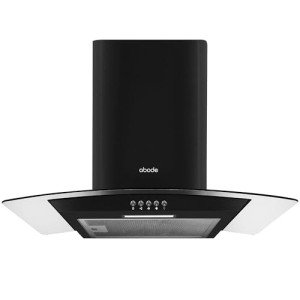
The Essential Guide to Small Cooker Hoods: Size Matters in Kitchen Design
In the modern kitchen, functionality and looks work together. One part that plays an important role in both elements is the cooker hood. For those working with limited space or looking for a minimalist style, small cooker hoods provide a perfect option. In this article, we will check out the value of small cooker hoods, their types, functions, advantages, and address some frequently asked concerns.
Why Small Cooker Hoods Matter
Small cooker hoods serve a vital function in any kitchen environment. They assist eliminate smoke, steam, grease, and odors produced during cooking, guaranteeing a cleaner and healthier space. Not just do they enhance air quality, however they likewise secure kitchen surfaces from grease build-up, which can be a long-lasting upkeep concern.
Table 1: Benefits of Small Cooker Hoods
| Benefit | Description |
|---|---|
| Area Saving | Compact designs suit small kitchen locations. |
| Improved Air Quality | Effectively removes smoke and smells. |
| Aesthetic Appeal | Available in various styles to enhance décor. |
| Easy Installation | Typically uncomplicated to set up in tight spaces. |
| Flexibility | Appropriate for different types of cooking locations. |
Kinds Of Small Cooker Hoods
When it concerns picking a small cooker hood, a number of choices are readily available. Different types deal with differing kitchen layouts and preferences:
-
Wall-Mounted Cooker Hoods: These hoods are repaired to the wall above the stove. They come in different designs, consisting of traditional and modern styles, making them suitable for different kitchen aesthetic appeals.
-
Under-Cabinet Cooker Hoods: As the name recommends, these are set up beneath kitchen cabinets, perfect for making the most of counter space while supplying reliable ventilation.
-
Island Cooker Hoods: Intended for kitchens with an island cooking location, these hoods hang from the ceiling and can use a dramatic centerpiece while efficiently getting rid of air-borne particles.
-
Ductless Cooker Hoods: Ideal for homes or spaces where venting outdoors is impossible, ductless hoods filter air through charcoal and recirculate it back into the kitchen.
-
Downdraft Cooker Hoods: These are retractable hoods that emerge from the counter top when in usage, offering a smooth and discreet service for those who focus on design and space.
Table 2: Comparison of Small Cooker Hood Types
| Type | Setup Location | Installation Complexity | Air Extraction Method |
|---|---|---|---|
| Wall-Mounted | Wall above stove | Moderate | Ducted or ductless |
| Under-Cabinet | Below cabinets | Easy | Ducted or ductless |
| Island | Suspended over island | Moderate | Ducted |
| Ductless | Anywhere | Easy | Recirculating |
| Downdraft | Countertop | Advanced | Ducted or recirculating |
Secret Features to Look for in Small Cooker Hoods
Choosing the right small cooker hood includes looking for different features to ensure they fulfill your needs. Here are some vital functions to think about:
-
Extraction Rate: Measured in cubic meters per hour (m ³/ h), this shows how successfully the hood can remove smoke and smells. A greater extraction rate is normally better for frequently used kitchens.
-
Noise Level: Measured in sones, the noise level should be considered, particularly in open-plan kitchens. Many small cooker hoods run in between 30 to 70 dB. Look for quieter models for a more enjoyable cooking experience.
-
Purification System: Choose between ducted and ductless hoods based on your kitchen design. If going with ductless, guarantee the hood has a top quality charcoal filter for reliable odor absorption.
-
Lighting: Built-in lighting can boost exposure while cooking, making the whole cooking process more efficient.
-
Relieve of Cleaning: Removable and dishwasher-safe filters streamline upkeep. Stainless steel surfaces are generally simpler to clean than painted ones.
Table 3: Essential Features for Small Cooker Hoods
| Feature | Significance |
|---|---|
| Extraction Rate | Impacts air quality throughout cooking |
| Sound Level | Necessary for a pleasant kitchen atmosphere |
| Filtering System | Critical for efficient elimination of smoke and smells |
| Integrated Lighting | Enhances exposure while cooking |
| Alleviate of Cleaning | Saves effort and time in maintenance |
Installation Considerations
Even with a compact size, the installation of a small cooker hood needs some preparation. Here are some essential actions to consider:
-
Measure Your Space: Carefully determine the location above your cooking surface to guarantee that the selected cooker hood will fit without overcrowding.
-
Pick the Right Height: Follow maker requirements for height positioning. Normally, the bottom of the hood should be 65-75 cm above the cooktop for optimal efficiency.
-
Examine Ventilation: Ensure there’s an appropriate exit for ducted hoods. For ductless alternatives, figure out the best placement for air recirculation.
-
Usage Professional Help: If uncertain about installation treatments or electrical connections, consider working with an expert to make sure security and ideal performance.
Often Asked Questions (FAQ)
-
What size cooker hood do I require for my small kitchen?
- The size depends on the width of your cooking surface area. A general guideline is to pick a hood that is at least the same width as the cooking surface area.
-
Are small cooker hoods less reliable than larger ones?
- Not necessarily. A well-designed small cooker hood can successfully deal with smoke and smells just as well as a larger model, specifically if it has a high extraction rate.
-
How do I maintain my small cooker hood?
- Frequently tidy or change filters based on the manufacturer’s recommendations. Wipe down the hood surface area with a mild cleaner to prevent grease accumulation.
-
Can I set up a cooker hood myself?
- It is possible, but for those unknown with pipes and electrical work, working with an expert can make sure safety and appropriate setup.
-
Is a ductless cooker hood reliable?
- Ductless hoods can be efficient, particularly in kitchens without correct ventilation. However, they need routine filter changes to make sure optimum efficiency.
Small cooker hoods are a practical and elegant need for modern kitchens, especially in limited spaces. From different types to vital functions, comprehending what to look for can make sure that you pick the very best option for your cooking environment. By prioritizing air quality, visual appeals, and maintenance, property owners can create a beautiful and effective kitchen that accommodates their particular needs.


