
This company has no active jobs

Kitchen Extractor Fans
About Us
The 12 Worst Types Cooker Hoods People You Follow On Twitter
The Ultimate Guide to Kitchen Cooker Hoods
When it comes to creating an effective, comfy, and trendy kitchen, one element that frequently gets ignored is the cooker hood. A crucial part in modern kitchens, cooker hoods play a crucial role in maintaining air quality while improving the performance of the cooking area. In this comprehensive guide, we will explore the significance of cooker hoods, their types, setup suggestions, upkeep practices, and answers to frequently asked concerns.
What is a Kitchen Cooker Hood?
A kitchen cooker hood, likewise referred to as a range hood or exhaust hood, is a kitchen appliance designed to aerate smoke, heat, grease, and steam created during cooking. Cooker hoods can either recirculate air back into the kitchen or vent it outside, depending on the model and setup.
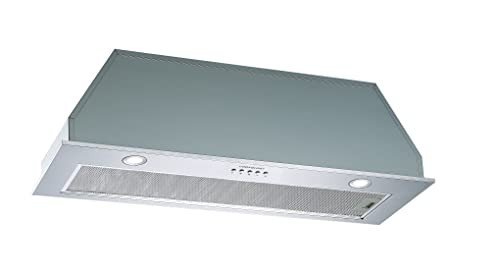
Tables below will provide an in-depth contrast of the various types of cooker hoods, their functions, and factors to consider when selecting the best one for your kitchen.
Types of Cooker Hoods
| Type | Description | Pros | Cons |
|---|---|---|---|
| Wall-Mounted | Mounted on the wall above the stove and vented directly outdoors. | Effective ventilation; conserves space. | Setup might be complex; minimal placement. |
| Island | Suspended from the ceiling over a kitchen island. | Aesthetic appeal; provides good coverage. | High setup cost; needs a ceiling hook. |
| Under-Cabinet | Set up below cabinets above a stove, suitable for limited space. | Compact; practical for small kitchens. | Might not be as powerful; air blood circulation can be restricted. |
| Downdraft | Constructed into the counter top, increases when needed and pulls back when not in use. | Streamlined design; effective for cooktops. | Usually less efficient; can be more expensive. |
| Portable | Lightweight, freestanding units that can easily be moved as required. | Versatile; can be utilized in different areas. | Might not be as effective; restricted by size. |
Key Features to Consider
- Extraction Method: Choose between ducted (vented) and ductless (recirculating).
- Product: Stainless steel is long lasting and simple to tidy; glass uses a modern visual.
- Size: Ensure the hood is at least as large as your cooktop to make the most of protection.
- CFM Rating: The Cubic Feet per Minute (CFM) suggests the ventilation power; usually, 300-600 CFM is ideal for the majority of home kitchens.
- Sound Level: Measured in sones; quieter hoods typically run at lower sone levels.
- Filtration: Filters can be charcoal for ductless systems or metal for ducted systems; ease of cleaning is necessary.
Significance of Kitchen Cooker Hoods
Appropriate ventilation in a kitchen is essential for a number of factors:
- Improved Air Quality: Cooker hoods assist remove hazardous smoke, steam, and smells created throughout cooking.
- Health Benefits: By removing air-borne grease and particulates, they lower respiratory dangers and improve overall indoor air quality.
- Preventing Damage: Excess moisture and heat from cooking can result in mold and damage to kitchen surfaces. Cooker hoods help mitigate these issues.
- Boosted Comfort: An effective hood can considerably lower kitchen temperature levels, making cooking more enjoyable.
Setup Tips
Setting up a cooker hood is a vital step that needs careful factor to consider of several elements:
- Location: Position the hood directly above the cooktop, preserving a height of 24-36 inches.
- Power Source: Ensure there is an available electric outlet near the installation site for appropriate power supply.
- Ducting: Choose a straight and short duct path to take full advantage of effectiveness; prevent extreme bends.
- Professional Installation: For more complex designs, hiring a professional installer can guarantee appropriate performance and security.
- Follow Manufacturer’s Guidelines: Always describe maker instructions for specific installation requirements and suggestions.
Maintenance Tips
To make the most of the durability and performance of your cooker hood, routine maintenance is vital. Here are numerous upkeep tips:
- Clean Regularly: Wipe down the outside with suitable cleaners to keep surface areas spotless.
- Modification Filters: For ducted hoods, clean or replace metal filters every 3-6 months. For ductless hoods, make sure charcoal filters are replaced according to the producer’s regulations.
- Inspect Ductwork: Inspect vents and ductwork for clogs or buildup of grease.
- Sound Keeping: If the hood starts making unusual sounds, it may suggest a problem with the motor or fan. Perform timely repair work.
- Professional Servicing: Consider an annual checkup by a professional to make sure ideal performance.
Frequently Asked Questions (FAQs)
1. How do I pick the ideal size of cooker hood for my kitchen?
To determine the best size, measure the width of your cooktop and select a hood that is at least the very same width or wider.
2. Are ducted hoods better than ductless?
Ducted hoods tend to be more effective at aerating air, while ductless hoods are versatile and simpler to install.
3. How frequently should I clean the filters?
Metal filters need to be cleaned every couple of months, while charcoal filters should be replaced based on the maker’s suggestions.
4. What is the ideal CFM for my kitchen?
For a basic home kitchen, a CFM ranking between 300 to 600 is usually adequate. Nevertheless, larger upgrades may require greater CFMs.
5. Can I install a cooker hood myself?
While some models allow for DIY setup, it is typically advised to hire an expert for more complex ducting and electrical work.
In conclusion, a kitchen cooker hood is more than just a functional home appliance; it is vital for keeping a safe and healthy cooking environment. By comprehending the types, features, installation, and upkeep of cooker hoods, property owners can make educated decisions causing improved cooking experiences and Kitchen Cooker Hoods – Learn Even more Here, aesthetic appeals. With the right cooker hood, a kitchen can transform into an area that combines style with performance, guaranteeing enjoyable cooking and entertaining for years to come.


