
This company has no active jobs

Island Extractor Fans
About Us
See What Types Of Cooker Hood Tricks The Celebs Are Using
Understanding the Types of Cooker Hoods: A Comprehensive Guide
When it concerns developing a functional kitchen, one home appliance that typically goes undetected however plays an important role is the cooker hood, or range hood. These devices help eliminate smoke, smells, and grease from the air, making the cooking environment healthier and more enjoyable. With different Types Of Cooker Hood of cooker hoods offered in the market, it can be frustrating for consumers to select the right one for their requirements. In this thorough guide, we will check out the various kinds of cooker hoods, their installation approaches, and often asked concerns about this necessary kitchen appliance.
What is a Cooker Hood?
A cooker hood is a device installed above the cooking surface area in the kitchen. It assists in aerating the kitchen by eliminating air-borne grease, combustion items, smoke, heat, and steam. Proper ventilation is important, not just for comfort, however likewise for keeping indoor air quality.
Types of Cooker Hoods
Cooker hoods come in numerous styles and performances. Below is an in-depth comparison of each type, in addition to their benefits and downsides.
| Kind Of Cooker Hood | Description | Benefits | Downsides |
|---|---|---|---|
| Wall-Mounted Hoods | Set up against the wall above the stove, these are the most typical type. | Versatile; fits in various kitchens | Requires wall space; less appropriate for big kitchens |
| Island Hoods | Developed to be set up above an island cooktop or range. | Visual appeal; efficient ventilation | More costly; needs complex setup |
| Under-Cabinet Hoods | These are mounted under existing cabinets and healthy comfortably above the stove. | Space-saving; economical | May have restricted ventilation capabilities |
| Downdraft Hoods | Set up straight behind the cooktop, they appear when needed. | Versatile and unobtrusive | Less effective; requires a cooktop incorporated into the unit |
| Integrated Hoods | Integrated into kitchen cabinetry for a smooth appearance in the kitchen. | Personalized look; hides grease | Greater installation expenses; may be less available |
| Insert Hoods | Created to be placed into existing kitchen cabinetry or custom-made hoods. | Effective suction; customizable | Needs specific area; more intricate setup |
| Professional Hoods | Durable hoods designed for commercial-grade cooking devices. | Very effective for heavy cooking | Bulkier; costlier for domestic use |
Wall-Mounted Hoods
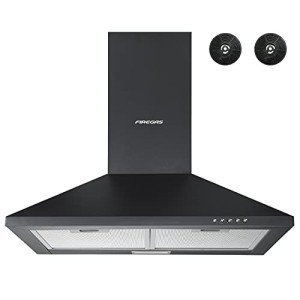
Wall-mounted hoods are preferred for their adaptability and range of styles. They come in traditional chimney styles and modern models, providing choices for both modern and traditional kitchens. These units require strong installation on a wall, making them suitable for many kitchen designs.
Island Hoods
Perfect for kitchens with island cooktops, these hoods draw attention and can work as a declaration piece. They require careful setup as they are suspended from the ceiling. Nevertheless, their effective ventilation often validates the setup intricacy.
Under-Cabinet Hoods
For kitchens with minimal space, under-cabinet hoods are an exceptional option. They mount straight beneath existing cabinets, making them highly space-efficient. While they tend to be economical, their ventilation power may be limited compared to other types.
Downdraft Hoods
A stylish solution for kitchens where aesthetic appeals is critical, downdraft hoods offer the flexibility to turn up just when required. They are best matched for particular cooktops that are created to accommodate them. Nevertheless, their efficiency may not be sufficient for heavy cooking applications.
Built-In Hoods
Built-in hoods provide a streamlined and integrated appearance by being concealed within cabinetry. These systems can be tailored to fit the kitchen design, offering a polished look. Nevertheless, they might come with higher setup expenses due to their custom-made nature.
Place Hoods
These hoods fit into kitchen cabinetry or custom-made units, permitting a balance in between performance and look. They provide effective suction and can be developed to match kitchen aesthetic appeals, however their installation can be more complex.
Professional Hoods
Often discovered in business kitchens, professional hoods are designed for extensive cooking. They have remarkable ventilation abilities, making them perfect for passionate home chefs. Nevertheless, their size and price point can be constraints for domestic usage.
Key Considerations When Choosing a Cooker Hood
When picking a cooker hood, a number of aspects need to enter into play:
- Size: The hood should be at least as large as the cooking surface area.
- CFM (Cubic Feet per Minute): This measures the airflow capability. The greater the CFM, the more air it can move and the much better it can aerate.
- Sound Level: Check for the noise ratings measured in sones– the lower the value, the quieter the hood.
- Setup: Consider whether you desire an expert setup and the intricacy involved.
- Purification Type: Decide between ducted (vented) and ductless (recirculating) options based on your kitchen requirements.
Frequently Asked Questions about Cooker Hoods
Q1: Do I need a cooker hood if I have a window?A: While a
window can supply natural ventilation, a cooker hood considerably improves air quality by getting rid of smoke, grease, and smells, which a window alone might not accomplish effectively.
Q2: How typically need to I clean my cooker hood?A: To maintain optimum performance, it’s suggested to clean the filters monthly, while deep cleaning must occur every 6 to 12 months depending upon usage. Q3: Are cooker hoods costly to run?A: Energy intake differs by design; however, modern cooker hoods are created to
be energy efficient, and utilizing them intermittently can minimize expenses. Q4: Can I set up a cooker hood myself?A: While it is possible for those with DIY experience, expert setup is suggested to guarantee security and proper function. Q5: What is the life-span of a cooker hood?A: The average life-span can range from 5 to 15 years, depending upon the design and maintenance.
Routine cleansing and care can extend the lifespan considerably. Selecting the right cooker hood needs careful factor to consider of different types, performances, and specific kitchen needs. From wall-mounted alternatives to professional-grade models, comprehending the differences and advantages of each type can help with an informed choice. A good cooker hood not only boosts the aesthetic appeal of the kitchen however likewise contributes to a healthier cooking environment. With the best selection, anyone can enjoy the complete benefits of their kitchen space while cooking up cooking delights.


