This company has no active jobs

Island Extractor Fan
About Us
Five Killer Quora Answers On Cooker Extractor Fans
Understanding Cooker Extractor Fans: A Comprehensive Guide
Cooking is an art that integrates taste with technique, and it typically comes with a little bit of mess. One of the important elements in maintaining a clean and healthy kitchen environment is the cooker extractor fan. These devices become part of the kitchen’s ventilation system, designed to whisk away smoke, steam, smells, and air-borne particles that can collect during cooking. This post intends to provide a thorough understanding of cooker extractor fans, their types, advantages, setup, maintenance pointers, and answers to frequently asked concerns.
What is a Cooker Extractor Fan?
A cooker extractor fan, likewise called a range hood or kitchen hood, is a gadget installed above the cooking area. It functions to filter and expel undesirable smells, steam, and airborne grease, thereby preserving great air quality in the kitchen. These fans come in various sizes, styles, and performances, dealing with different kitchen layouts and cooking designs.
Table 1: Types of Cooker Extractor Fans
| Type | Description | Benefits | Downsides |
|---|---|---|---|
| Wall-Mounted | Installed on the wall above the cooking range | Space-efficient, aesthetic appeal | Requires wall area and ducting |
| Island | Hangs above kitchen islands | Trendy, ideal for open layouts | More pricey, requires ceiling support |
| Under-Cabinet | Fits below kitchen cabinets | Compact, does not use up extra area | Limited power, might need ducting |
| Downdraft | Pop-up fan integrated into the cooktop | Minimalistic style, saves area | Less reliable than ducted alternatives |
| Ceiling-Mounted | Set up in the ceiling, often in larger kitchens | Covers large locations, modern style | Professional setup required |
The Importance of Cooker Extractor Fans
-
Improved Air Quality: Cooking frequently launches hazardous contaminants and grease particles. An extractor fan assists get rid of these toxins, guaranteeing much healthier air in the kitchen.
-
Odor Control: Different cuisines discharge unique smells. A good cooker extractor fan successfully reduces sticking around smells, making the kitchen an enjoyable area.
-
Wetness Reduction: Steam created throughout cooking can lead to moisture buildup, which might promote mold growth. An extractor fan helps control humidity levels in the kitchen.
-
Cleaner Environment: By recording grease and vapors, extractor fans add to a cleaner kitchen environment, minimizing the need for frequent cleansing.
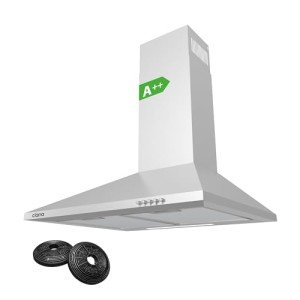
Selecting the Right Extractor Fan
Choosing an extractor fan involves thinking about numerous elements, including kitchen size, design, and cooking habits. Here are the bottom lines to keep in mind:
Table 2: Factors to Consider When Choosing an Extractor Fan
| Factor | Factor to consider |
|---|---|
| Kitchen Size | Bigger kitchens may need more powerful fans |
| Ducted vs. Ductless | Ducted fans vent outdoors; ductless recirculate air with filters |
| Noise Level | Look for fan sound scores; quieter models are more effective |
| CFM Rating | Think about the fan’s air flow efficiency, normally measured in Cubic Feet per Minute (CFM) |
| Style | Select a design that matches your kitchen decor |
Installation and Maintenance
Correct installation and regular maintenance are vital for optimum efficiency.
Setup Tips
- Follow Manufacturer’s Instructions: Always speak with the setup manual for specific guidelines.
- Hire a Professional: For ducted alternatives, professional setup may be essential to ensure appropriate venting.
- Placement: The fan needs to be set up at the proper height above the cooking range, generally 20– 30 inches for electric and 24– 30 inches for gas ranges.
Upkeep Tips
- Tidy Filters Regularly: Most extractor fans included detachable filters that ought to be cleaned or changed regularly to ensure performance.
- Check Fan Blade: Ensure the fan blades are tidy to prevent motor strain.
- Examine Ducts: For ducted designs, regular evaluation and cleansing of ducts can avoid obstructions and enhance air flow.
Frequently Asked Questions (FAQ)
-
How typically should I clean my cooker extractor fan?
- It is recommended to clean the fan’s filters every month and to deep clean the whole unit every 6 months.
-
Do I need to use a ducted extractor fan?
- Ducted fans are more efficient as they vent air exterior. Nevertheless, if setup is an issue, ductless alternatives with activated charcoal filters are suitable options.
-
What is the perfect CFM for my kitchen?
- A basic guideline is that the CFM should be 100 for every single 10,000 BTUs of the stove. For average cooking, a fan with a CFM ranking of 300-600 is generally sufficient.
-
Are extractor fans loud?
- Noise levels vary. When choosing a fan, try to find models with lower sones (a procedure of volume), preferably listed below 3 for a quieter operation.
-
Can I set up an extractor fan myself?
- While some models, like under-cabinet fans, might be much easier for DIY installation, ducted models usually require expert support.
Cooker extractor fans play a necessary function in boosting both the functionality and convenience of a kitchen. With different types offered, comprehending their features, benefits, and maintenance requirements can help property owners make notified options. Whether cooking a simple meal or crafting a premium work of art, a well-ventilated kitchen makes all the distinction. Buying a suitable extractor fan not only enhances air quality but also contributes to a cleaner, more pleasurable cooking environment.