
This company has no active jobs

Intergrated Electric Oven
About Us
15 Funny People Working In Oven Built In In Oven Built In
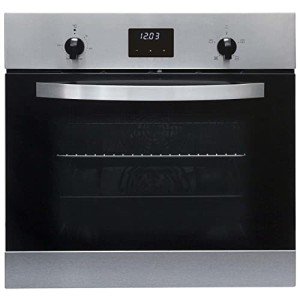
Understanding Built-in Electric Ovens: A Comprehensive Guide
In modern cooking areas, built-in electric ovens have actually become a standard function, offering convenience, efficiency, and an elegant integration into kitchen style. This post intends to inform property owners and cooking lovers about the advantages of built-in electric integrated ovens, crucial considerations when choosing one, and upkeep pointers to make sure lasting performance.
What is a Built-in Electric Oven?
A built-in electric oven is created to be installed within cabinetry or walls, effortlessly blending into the kitchen’s architecture. Unlike standalone ovens, these designs conserve flooring space and can be located at eye level, helping with easy access and monitoring while cooking.
Benefits of Built-in Electric Ovens
- Space Efficiency: These ovens make use of vertical area, making them perfect for smaller kitchens or those looking to maximize counter space.
- Aesthetic Appeal: Built-in ovens offer a tidy and contemporary look that improves the kitchen’s total style.
- Ergonomics: They are set up at comfy heights, lowering the pressure on the back and knees, especially when packing or discharging dishes.
- Advanced Features: Many built-in electric ovens included high-tech functions like clever controls, convection cooking, and self-cleaning choices, which can make cooking easier and more effective.
- Enhanced Functionality: Models typically include extra functions such as several cooking modes, timers, and temperature probes.
Secret Considerations When Choosing a Built-in Electric Oven
When picking a built-in electric oven, several elements must be taken into account to ensure it satisfies your cooking needs and fits within your kitchen layout.
Size and Capacity
Built-in electric ovens usually can be found in different sizes. It’s important to determine the allocated area to guarantee an appropriate fit. Here prevail sizes:
- Single Oven: 24 to 30 inches broad, suitable for the majority of cooking jobs.
- Double Oven: Two separate compartments, enabling you to prepare numerous dishes at various temperatures.
- Wall Ovens: Available in plus sizes, matched for substantial cooking experiences.
Features
Picking functions that align with your cooking practices is essential. Think about the following options:
- Convection Cooking: Distributes heat uniformly for constant results.
- Smart Technology: Enables remote control and pre-heating by means of mobile phone apps.
- Self-Cleaning: Simplifies upkeep and cleaning procedures.
- Steam Cooking: Adds wetness to dishes for much better cooking results.
Installation Requirements
Built-in electric ovens need appropriate electrical circuitry and ventilation choices. It’s a good idea to consult with specialists throughout the installation phase to fulfill electrical codes and make sure security.
Price Range
The expense of built-in electric ovens can differ substantially from budget options (₤ 600 – ₤ 1,200) to high-end models (₤ 2,000 and above). Consider your budget and cooking frequency when making a choice.
| Price Range | Functions | Best For |
|---|---|---|
| ₤ 600 – ₤ 1,200 | Basic functions, manual controls | Casual cooks |
| ₤ 1,200 – ₤ 2,000 | Convection, clever technology | Major home cooks |
| Above ₤ 2,000 | Premium materials, advanced features | Professional chefs or gourmet cooking lovers |
Maintenance Tips for Built-in Electric Ovens
Guaranteeing that an electric oven operates efficiently involves regular maintenance. Here are some useful suggestions:
- Regular Cleaning: Wipe down the door and inside the oven after each usage to avoid grease buildup.
- Self-Cleaning Cycle: Utilize the self-cleaning function occasionally (if offered). Follow the manufacturer’s directions for optimal performance.
- Examine Seals and Gaskets: Inspect the door household Appliances seals for wear and tear to keep cooking efficiency.
- Adjust Temperature: Regularly check and adjust the oven’s temperature level for accuracy cooking.
- Professional Servicing: Schedule yearly maintenance contact certified service technicians, specifically for advanced models with many electronic parts.
Frequently Asked Questions (FAQs)
1. Are built-in electric ovens more effective than traditional ovens?
Yes, built in cookers electric-in electric ovens often have much better insulation and features like convection cooking that can cook food faster and equally, conserving energy.
2. Can I set up a built-in electric oven myself?
While some useful individuals might choose to attempt a DIY setup, it is recommended to employ an expert to make sure safe and compliant setup.
3. How much power does a built-in electric oven use?
Normally, built-in electric ovens consume in between 2,400 to 5,000 watts, depending upon the design and features. Always refer to the maker’s specifications for accurate figures.
4. Do built-in electric ovens require unique cabinets?
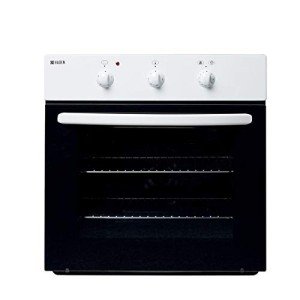
Yes, built-in electric ovens require custom cabinets or wall enclaves that support their weight and Integrated ovens permit for proper ventilation. Make sure that the cabinetry abides by setup standards described by the maker.
built-in cookers electric ovens are a valuable addition to any contemporary kitchen, using an array of functions that make cooking more convenient and enjoyable. By understanding the advantages, choice requirements, and upkeep requirements associated with these ovens, customers can make informed decisions that align with their culinary requirements and lifestyle choices.


