
This company has no active jobs

Hob Extractor Fan
About Us
You’ll Never Guess This Cooker Fan’s Secrets
The Essential Guide to Cooker Fans: Enhancing Efficiency in Your Kitchen
In the cooking world, having the right tools can make all the distinction in the kitchen experience. Amongst these tools, cooker fans, likewise referred to as cooker hoods or range hoods, play an essential function in keeping a tidy and comfortable cooking environment. This blog post explores the significance of cooker fans, their types, performances, benefits, setup, and upkeep.
What is a Cooker Fan?
A cooker fan is a kitchen home appliance designed to assist eliminate smoke, steam, and odors produced while cooking. Placed above the cooktop, it catches air-borne particles and expels them outside or filters and recirculates the air back into the kitchen, depending upon the system type.
Kinds Of Cooker Fans
| Type | Description | Perfect Use |
|---|---|---|
| Wall-Mounted | Usually set up straight on the wall above the cooktop. | No islands or space issues. |
| Under-Cabinet | Mounted underneath kitchen cabinets, effectively making use of space. | Small kitchens. |
| Island | Suspended above an island cooktop for a bold aesthetic declaration. | Open concept kitchens. |
| Downdraft | Integrated into the cooktop, rises during operation, and withdraws when not in use. | Minimalist designs. |
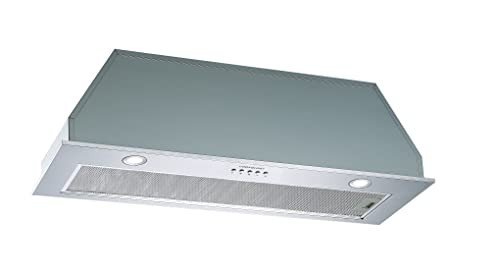
| Place | Designed to fit inside kitchen cabinetry or customized hoods. | Custom-made setups. |
How Cooker Fans Work
Cooker fans typically work in 2 ways: ducted and ductless systems.
-
Ducted Systems: These fans extract air through a duct and expel it outside. This method is typically thought about more reliable due to the fact that it totally gets rid of odors, smoke, and heat from the cooking area.
-
Ductless Systems: These fans utilize a filtering system to purify the air before recirculating it back into the kitchen. While they are much easier to install than ducted systems, they may not get rid of all odors as efficiently.
Key Features of Cooker Fans
- Suction Power: Measured in cubic feet per minute (CFM), this indicates how effectively a cooker fan can draw out air. The greater the CFM, the stronger the fan.
- Noise Level: Measured in sones, numerous modern fans run silently, permitting comfortable cooking environments.
- Filters: Most fans include metal or charcoal filters to catch grease and odors. Metal filters are washable and recyclable, while charcoal filters usually need replacement.
- Lighting: Integrated lighting supplies better exposure while cooking and improves atmosphere.
Benefits of Using Cooker Fans
Utilizing cooker fans offers various advantages:
-
Improved Air Quality: By eliminating smoke and smells, these fans guarantee that cooking air remains clean and devoid of pollutants.
-
Boosted Comfort: Cooker fans help keep a comfy kitchen temperature level by getting rid of steam and heat produced during cooking.
-
Fire Safety: By effectively drawing out combustible fumes from the cooking procedure, cooker fans play a vital role in kitchen fire avoidance.
-
Minimized Grease Buildup: Proper ventilation avoids grease from accumulating on surface areas, consequently lowering the requirement for frequent cleaning.
-
Visual Appeal: Cooker fans can be found in different styles that can improve the general look of your kitchen.
Popular Cooker Fan Models
| Model | Type | CFM | Noise Level (Sones) | Price Range |
|---|---|---|---|---|
| Broan-NuTone | Under-Cabinet | 300 | 2.0 | ₤ 100 – ₤ 300 |
| ZLINE | Island | 400 | 4.0 | ₤ 500 – ₤ 1,200 |
| Bosch | Wall-Mounted | 500 | 2.5 | ₤ 800 – ₤ 1,800 |
| Whirlpool | Ductless | 300 | 1.5 | ₤ 150 – ₤ 400 |
| Faber | Downdraft | 700 | 5.0 | ₤ 1,000 – ₤ 2,500 |
Installing a Cooker Fan
While lots of house owners might choose for expert installation, it is crucial to comprehend the fundamental setup procedure:
- Choosing the Right Location: Position the fan directly above the cooktop, preferably 24-30 inches high for optimal performance.
- Electrical Connections: Ensure appropriate circuitry for the fan and the switch, following regional electrical codes.
- Ventilation: For ducted designs, guarantee appropriate ductwork setup to route fumes outdoors.
- Installing: Securely install the fan to the wall or under cabinets using the offered brackets and screws.
Upkeep Tips
To guarantee your cooker fan operates effectively, regular upkeep is essential:
- Clean Filters: Remove and tidy metal filters monthly and change charcoal filters according to the maker’s standards.
- Examine for Blockages: Inspect and clear ductwork of any particles or clogs every few months to keep airflow.
- Dust and Wipe Down: Regularly dust and clean down the outside of the cooker fan to keep it looking brand-new and working effectively.
- Listen for Unusual Noises: If the fan operates uncommonly loudly, it may indicate a problem that requires attention.
Frequently Asked Questions (FAQ)
Q1: How do I understand what size cooker fan I require?
A: Choose a fan with a CFM rating that matches your cooking routines. For basic cooking needs, 300 CFM is typically sufficient. For heavy cooking (barbecuing, frying), choose for fans ranked at 400 CFM or above.
Q2: Can a cooker fan be used with an induction cooktop?
A: Yes, cooker fans can be effectively used with induction cooktops. However, make sure to pick a model that accommodates the cooktop’s style and venting requirements.
Q3: Are ductless cooker fans reliable?
A: Ductless cooker fans can filter and recirculate air, but they might not get rid of all smells as effectively as ducted systems. They are practical for kitchens without external venting alternatives.
Q4: How frequently should I replace the filters?
A: Metal filters can generally be cleaned and reused, however charcoal filters ought to be changed every 6 to 12 months, depending on use.
Q5: What is the very best position for a cooker fan?
A: The ideal position for a cooker fan is 24-30 inches above the cooking surface area to effectively catch smoke and steam without blocking your cooking area.
Cooker fans are essential appliances in modern kitchens, offering a range of designs, functions, and benefits. They add to improved air quality and kitchen convenience, making cooking a more enjoyable experience. When picking and keeping a cooker fan, consider your specific requirements and preferences to ensure optimal efficiency. By understanding their importance, homeowners can enhance their cooking areas while taking pleasure in the myriad benefits cooker fans offer.


