This company has no active jobs

Gefälschte Euro Kaufen
About Us
How The 10 Worst Have Counterfeit Money Printed Fails Of All Time Could Have Been Prevented
Understanding the Risks and Legal Consequences of Counterfeit Money Production
In the age of digital deals and sophisticated security functions, the production of counterfeit money stays a relentless issue that threatens economies internationally. Counterfeit money describes currency that is produced without the authority of the government, designed to appear like genuine legal tender. This post checks out the techniques used to develop counterfeit money, the legal ramifications for those who try to manufacture or disperse it, and the preventive measures taken by governments and banks to combat this crime.
What is Counterfeit Money?
Counterfeit money is any currency that is produced with the intent to trick the recipient into believing it is genuine. This can include bills, coins, or any other form of currency. The procedure typically involves replicating the look and functions of the legitimate currency as closely as possible to avoid detection.
Counterfeiters can vary widely in their resources, from people running in basements with standard equipment to sophisticated criminal companies employing modern equipment and methods. Understanding these approaches is important in acknowledging and preventing counterfeiting.
Methods Used to Counterfeit Money
Counterfeit money can be produced through numerous various techniques, including:
-
Digital Printing: With the advent of high-quality printers and digital modifying software, counterfeiters can create extremely persuading fake currency. These approaches typically include scanning legitimate currency and utilizing modifying programs to manipulate the images.
-
Offset Printing: This standard printing strategy can produce multi-colored expenses and is typically utilized for large-scale operations. It needs specific devices and understanding of printing.
-
Paper Composition: Genuine currency is printed on a specific kind of paper, often ingrained with numerous security functions. Counterfeiters might try to mimic this paper or produce their own that closely resembles it.
-
Stencils and Handcrafting: Less sophisticated counterfeiters might resort to using stencils or even hand-drawing fake currency. While these techniques are normally less effective, they can still fool some inexperienced eyes.
The Legal Consequences of Counterfeiting
Counterfeiting is a major criminal activity in the majority of nations, considered a kind of scams. The legal effects are severe and often include significant fines and jail time. The specifics can vary by jurisdiction, however typical charges include:
- Fines: Counterfeiters can deal with fines that amount to lot of times the worth of the counterfeit currency they produced or distributed.
- Prison Time: Convictions can cause prolonged sentences, typically surpassing 5 years for serious offenses.
- Restitution: Offenders may likewise be needed to pay restitution to victims or the federal government.
- Crook Record: A conviction can lead to an enduring rap sheet, affecting work chances and travel.
Governments around the globe use different methods to fight counterfeit currency. These methods normally include enhancing currency security functions, educating the public, and imposing stringent penalties for those caught producing counterfeit money.
Functions of Legitimate Currency
Comprehending the characteristics of legitimate currency can assist individuals spot counterfeit money. Fundamental features consist of:
- Watermarks: Online Shop FüR Falschgeld Most legitimate currencies have watermarks visible when held up to the light.
- Security Threads: Embedded threads within the paper that can be seen when held at an angle.
- Color-Shifting Ink: Ink that changes color when seen from different angles.
- Microprinting: Small text that is difficult to replicate and is often included in various areas of the costs.
Preventative Measures Against Counterfeiting
Governments and banks continually enhance their methods of safeguarding against counterfeit money. Here are some common prevention techniques:
-
Enhanced Security Features: Newly printed currency frequently features advanced security features that are challenging for counterfeiters to replicate.
-
Public Education: Governments inform the general public on how to recognize counterfeit money, assisting people to end up being more critical when accepting currency.
-
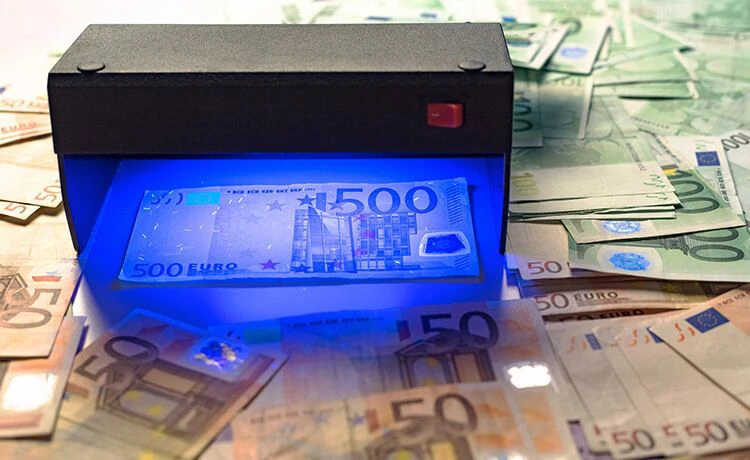
Advanced Technology: Law enforcement firms make use of technology, such as ultraviolet light scanners and software that can instantly discover counterfeit bills.
-
International Cooperation: Counterfeiting is a worldwide issue, and many nations interact to fight it. This consists of sharing information about counterfeit operations and best practices for prevention.
What to Do if You Encounter Counterfeit Money
If a private suspects they have gotten counterfeit money, it is vital to act quickly and properly. Here are actions to follow:
- Do Not Spend It: Attempting to use counterfeit money can lead to legal problem.
- Examine the Currency: Use fundamental methods, such as looking for watermarks and security functions.
- Inform Authorities: Report the incident to regional law enforcement or the pertinent financial authority in your location.
Often Asked Questions (FAQs)
1. What are the charges for using counterfeit money?
- Charges can vary widely, however people captured utilizing counterfeit money can face substantial fines, restitution, and jail time.
2. How can I determine counterfeit money?
- Look for watermarks, security threads, color-shifting ink, and microprinting. When in doubt, compare suspicious costs to recognized genuine currency.
3. What should I do if I receive counterfeit money?
- Do not attempt to use it. Take a look at the costs and report it to the authorities.
4. Can counterfeit money be printed in the house?
- While it is technically possible to print money at home utilizing high-quality printers and digital tools, it is unlawful and can lead to extreme legal repercussions.
Counterfeit money is not simply a problem; it is a severe criminal offense with substantial repercussions for people and economies alike. Understanding the techniques of production, recognizing the charges, and understanding how to determine counterfeit currency are essential in combating this problem. As innovation advances, so too do the techniques used by counterfeiters. Remaining informed and watchful is vital in maintaining the stability of financial systems worldwide.