

This company has no active jobs
About Us
10 Tell-Tale Signs You Need To Buy A Portable Ramp For Wheelchair
The Importance of Portable Ramps for Wheelchairs: Enhancing Mobility and Accessibility
In a world that prides itself on inclusivity, ensuring that people with mobility difficulties can navigate their environments freely stays an important top priority. Among the most effective options for improving mobility is using portable ramps for wheelchairs. These ramps offer an essential means of getting rid of barriers, whether in your home, work, or in public areas. This blog site post will check out the significance of portable wheelchair ramps, their various types, crucial functions to think about, and often asked concerns about their use.
The Need for Portable Ramps
Wheelchair users typically encounter physical obstacles that make browsing the environment difficult. From curbs to steps, the lack of accessibility can restrict self-reliance and result in increased aggravation. Portable ramps function as a useful option to these barriers, making it possible for smoother shifts between various surface areas.
Benefits of Portable Ramps
The benefits of portable wheelchair ramps extend beyond easy mobility support. Below are a couple of key advantages:
-
Enhanced Independence: Portable ramps empower wheelchair users by permitting them to access homes, lorries, and public locations without needing support.
-
Flexibility: They can be used in various settings, from domestic homes to parks, making them an important addition for anyone with mobility challenges.
-
Relieve of Transportation: Many portable ramps are developed to be lightweight and collapsible, making them simple to transportation.
-
Price: Compared to more long-term installation options, portable ramps typically represent a fraction of the expense while offering adequate availability.
Types of Portable Ramps
When picking a portable ramp, comprehending the different types available is important. The following table sums up the most typical types of portable ramps for wheelchairs:
| Type | Description | Best For |
|---|---|---|
| Folding Ramps | Ramps that can be folded in half for easy transport. | Automobiles, doorways, and steps. |
| Telescoping Ramps | Ramps that can extend and pull back for differing heights. | Trucks, SUVs, and uneven surface areas. |
| Modular Ramps | Customizable systems that can be put together as needed. | Irreversible or semi-permanent installations. |
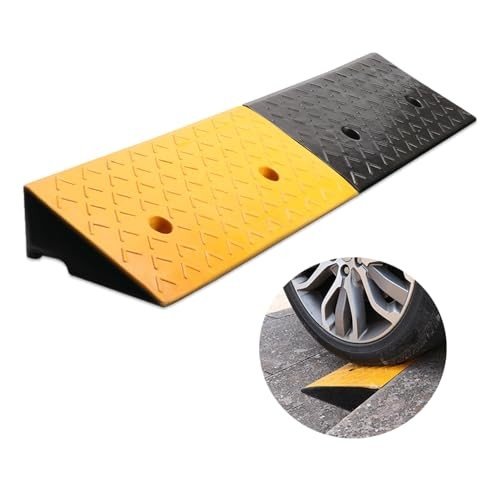
| Limit Ramps | Developed to bridge small height distinctions, like doorways. | Homes and smaller entryways. |
| Roll-up Ramps | Lightweight ramps that can roll up for portability. | Quick shifts on the go. |
Key Features to Consider
When choosing a portable ramp, several functions must be taken into factor to consider to ensure it meets the user’s needs. Below is a list of important functions:
-
Weight Capacity: Ensure the ramp can support the user’s weight and any extra equipment, like oxygen tanks or other mobility aids.
-
Length and Angle: The length of the ramp affects its slope. A longer ramp provides a gentler incline, which is much easier to navigate.
-
Material: Portable ramps are commonly made from aluminum, plastic, or wood. Aluminum is lightweight and resilient, while plastic frequently offers some weight decrease and is resistant to weather.
-
Surface area Texture: A non-slip surface area assists guarantee safety throughout usage, especially in damp weather.
-
Portable Design: Look for ramps that are simple to fold, roll, or transport without special tools.
-
Safety Features: Some ramps feature integrated side rails or safety straps to protect them in location, improving user security.
-
Modification: Consider ramps that can be tailored in length, width, or slope to suit individual requirements.
Often Asked Questions (FAQ)
1. How do I determine the best length of a portable ramp?
To figure out the suitable length of a portable ramp, the basic standard is the slope ratio. Ideally, for every inch of height, there must be at least 12 inches (1:12 ratio) of ramp length. For example, if an action is 6 inches high, the ramp should be at least 6 feet long.
2. Can portable ramps be utilized for automobiles?
Yes, portable ramps are specifically created for loading wheelchairs into cars, including vehicles, vans, and SUVs. Ensure to choose a ramp that is appropriate for automotive usage and can deal with the weight of the wheelchair and user.
3. What maintenance do portable ramps require?
Upkeep is reasonably straightforward. Routinely examine the ramp for signs of wear and tear, such as cracks or bent sections. Clean the surface to get rid of dirt or debris that could affect traction, and check the hinges or retractable parts for any functional problems.
4. Are there portable ramps suitable for outdoor usage?
Yes, many portable ramps are designed for outside use and built from weather-resistant products. It’s essential to choose a ramp that can hold up against various weather condition conditions to maintain sturdiness and safety.
5. Just how much do portable ramps normally cost?
The cost of portable ramps varies commonly based upon size, materials, and features. On average, rates can vary from ₤ 100 to ₤ 600. Higher quality and specialized ramps may cost more however offer greater resilience and security.
Portable ramps for wheelchairs are essential tools that promote mobility and ease of access for people with specials needs. The advantages they offer, from boosting independence to minimizing barriers, highlight their importance in everyday life. When choosing a portable ramp, users must consider numerous types, key functions, and individual requirements to find the best fit for their requirements.
As society continues to evolve towards greater inclusivity, buying portable Ramps For Wheelchair permits everyone the opportunity to navigate their world more freely and confidently.


