
This company has no active jobs

Extractor Hoods
About Us
What Is Range Cooker Hood And Why Is Everyone Dissing It?
The Definitive Guide to Range Cooker Hoods: Everything You Need to Know
Cooking is an art, and every artist needs the right tools. Among the unsung heroes of the cooking world is the range cooker hood. Frequently ignored, this important kitchen device plays an essential role in preserving a tidy and comfortable cooking environment. This post will explore what a range cooker hood is, its types, benefits, and how to select one that best fits your kitchen needs.
What is a Range Cooker Hood?
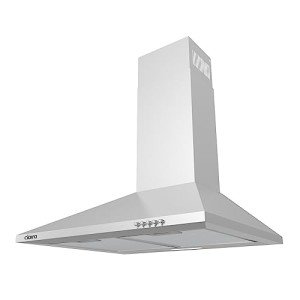
A range cooker hood, also referred to as a Kitchen Hood [simply click the next site] or extractor hood, is a gadget installed above the kitchen stove or cooktop. Its main function is to remove air-borne grease, smoke, and odors from the kitchen while cooking. The home appliance works by utilizing a fan to draw air in and either filter it or vent it outside, adding to improved air quality in the home.
Types of Range Cooker Hoods
Range cooker hoods come in various types, each with particular benefits and installation requirements. Below is a table summarizing the most common types of range cooker hoods:
| Type | Description | Pros | Cons |
|---|---|---|---|
| Under-Cabinet Hood | Set up below cabinets | Space-saving, cost-effective | Minimal suction power |
| Wall-Mounted Hood | Connected to a wall above the cooking surface area | Stylish, powerful suction | Requires wall support |
| Island Hood | Suspended from the ceiling in an island kitchen | Visual appeal, effective protection | Can be costly, requires ceiling support |
| Downdraft Hood | Retracts from the cooktop and vents downwards | Conserves space, smooth style | Less effective, more complicated installation |
| Both Ducted & & Ductless | Can be established to vent outside or recirculate | Versatile setup choices | Ducts may be challenging to set up |
Advantages of a Range Cooker Hood
1. Air Quality Improvement
Cooking can release damaging pollutants into the air. A range cooker hood assists filter smoke and air-borne grease, improving indoor air quality.
2. Smell Control
Cooking experiences can often result in lingering smells. The capability to vent or filter these smells suggests a fresher kitchen.
3. Heat Reduction
Cooking generates heat, which can make the kitchen uneasy. A cooker hood helps to expel heat, making the cooking area more pleasant.
4. Improved Kitchen Aesthetic
Modern range hoods are designed with style in mind. They can function as a focal point in the kitchen, improving its total look.
5. Increased Home Value
A well-ventilated kitchen with a quality range hood can be an attractive selling point for prospective home buyers.
How to Choose the Right Range Cooker Hood
Picking the best range cooker hood needs mindful consideration of your kitchen size, cooking habits, and style preferences. Here are some important aspects to think about:
1. Size Matters
The hood ought to be at least as large as the cooking surface area but can extend slightly wider for much better coverage. A common recommendation is to pick a hood that is 3 inches wider than your cooktop.
2. Ventilation Type
Decide between ducted (vents air outside) and ductless (recycles air through filters). Ducted hoods normally supply much better air quality, while ductless systems are more versatile in installation.
3. Extraction Rate
The efficiency of a hood is frequently measured in cubic feet per minute (CFM). A higher CFM represents stronger suction. For home cooking, a range in between 300 to 600 CFM is generally recommended.
4. Noise Level
Determined in sones, the noise level of the fan can be a crucial aspect, particularly in an open-concept home. Try to find designs that offer a peaceful operation while still being effective.
5. Filter Type
The majority of hoods include either metal or charcoal filters. Metal filters are reusable and easy to clean, while charcoal filters are perfect for ductless setups however require regular replacement.
6. Design and style
Select a model that fits your kitchen aesthetic. From sleek stainless steel to timeless hood styles, there is a series of styles to match your kitchen décor.
Upkeep and Care
Appropriate care and routine maintenance of your range cooker hood are necessary for optimal performance and durability. Here’s an easy upkeep list:
- Inspect Filters: Check filters on a monthly basis. Clean or replace them based upon your cooking frequency.
- Clean the Hood Surface: Wipe down the surfaces with a damp cloth to eliminate grease accumulation.
- Examine Functions: Test the fan and lighting frequently to ensure whatever works correctly.
- Professional Cleaning: Consider an expert cleaning service for extensive maintenance every year or as needed.
Regularly Asked Questions (FAQ)
1. How typically should I clean my range cooker hood?
It is recommended to clean up the filters monthly and clean down the external surface area weekly to avoid grease accumulation.
2. Are ductless range hoods reliable?
Yes, ductless hoods can efficiently filter smells and smoke, although they usually do not carry out as well as ducted designs in regards to air quality.
3. Can I set up a range cooker hood myself?
Installation trouble varies by model. While some under-cabinet or ductless models can be set up quickly, others might need professional assistance.
4. What is the average expense of a range cooker hood?
Prices vary based on type, size, and features, generally varying from ₤ 100 to over ₤ 1,500.
5. Do I need a license to install a range cooker hood?
Permits vary by area and installation type. Constantly examine regional policies before proceeding.
A range cooker hood is a vital kitchen home appliance that not just enhances air quality but likewise boosts the general cooking experience. By understanding the types, benefits, and upkeep of these devices, homeowners can make informed options that add to a much healthier, more enjoyable cooking environment. Whether you’re a culinary novice or a skilled chef, a quality range cooker hood plays a crucial role in the heart of the home.


