
This company has no active jobs

Exercise Bike Workout
About Us
The Biggest Problem With Stationary Bike, And How You Can Fix It
The Comprehensive Guide to Stationary Bikes: Best Practices, Benefits, and FAQs
In recent years, stationary bicycles have actually gained enormous appeal as a basic tool for both home and industrial fitness. With their ability to provide efficient cardiovascular exercises, ease of use, and the convenience of indoor cycling, these bikes fit a vast array of fitness lovers. This short article aims to check out the numerous types of stationary bikes available, their benefits, crucial features to consider when acquiring one, and a thorough FAQ area to address common questions related to stationary biking.
Understanding the Types of Stationary Bikes
Stationary bicycles normally fall into 3 primary classifications, each catering to various user choices and exercise designs.
| Kind Of Stationary Bike | Description | Ideal User |
|---|---|---|
| Upright Bike | This bike looks like a conventional bicycle home exercise, with users sitting upright. It supplies an intense exercise focusing on cardiovascular endurance, leg strength, and lower body toning. | Newbies to advanced bicyclists looking for a challenging exercise. |
| Recumbent Bike | Featuring a reclined seat, recumbent bikes disperse weight evenly and support the back. This position produces a comfortable ride while engaging the lower body effectively. | People with back issues, elderly users, or those looking for a lower-impact workout. |
| Spin Bike | Spin bikes are designed for high-intensity interval training (HIIT) and simulated roadway cycling. They feature a heavy flywheel and personalized resistance levels, best for extreme biking workouts. | Fitness lovers searching for an energetic exercise and those thinking about spinning classes. |
Benefits of Using a Stationary Bike
Stationary bikes pack various advantages, making them an enticing option for fitness enthusiasts. Here are some vital advantages:
-
Cardiovascular Health: Regular cycling enhances heart health by increasing cardiovascular endurance. It promotes better circulation and strengthens the heart muscle.
-
Weight Loss and Management: Using a stationary bike burns calories, assisting people to shed excess weight and maintain a healthy body composition when integrated with a well balanced diet.
-
Low Impact on Joints: Stationary bikes offer a low-impact workout that lowers pressure on the knees and joints compared to running or even walking, making them appropriate for people of all fitness levels.
-
Benefit of Indoor Exercise: With a stationary bike, users can ride despite the weather condition, getting rid of the reasons not to work out. This convenience greatly contributes to consistency and habit formation.
-
Flexibility and Variety in Workouts: Most stationary bikes provide diverse resistance levels and workout programs, allowing users to tailor their sessions according to personal fitness objectives.
-
Muscle Toning: Cycling targets significant muscle groups in the legs, consisting of the quadriceps, hamstrings, and calves. With time, this can result in improved muscle meaning and strength.
Key Features to Look for When Buying a Stationary Bike
When considering the purchase of a stationary bike, it is essential to focus on specific features to make sure a satisfying and reliable exercise experience. Here are some crucial aspects to consider:
-
Adjustability: Look for a bike with adjustable seats and handlebars to accommodate different body sizes and make sure convenience during usage.
-
Resistance Levels: Opt for a bike that uses a wide variety of resistance settings, permitting for steady strength increases as fitness levels improve.
-
Built-in Programs: Many bikes include pre-set exercise programs that assist users through routines, supplying range and inspiration.
-
Show and Connectivity: An excellent display screen should track metrics such as speed, distance, calories burned, and time. Consider bikes that can connect to mobile apps or have Bluetooth ability for further engagement.
-
Weight Capacity: Ensure the bike can support your weight for optimum security and efficiency. A lot of bikes note their maximum weight limitation in the specs.
-
Stability and Build Quality: A tough frame and solid building are necessary for attaining a comfy and safe cycling experience, especially when pressing towards greater resistance levels.
Frequently Asked Questions (FAQs)
1. How frequently should I utilize a stationary bike for ideal outcomes?
For best results, go for a minimum of 150 minutes of moderate aerobic activity or 75 minutes of vigorous activity every week, spread across several days.
2. Can I reduce weight on a stationary bike?
Yes, when integrated with a balanced diet plan, biking can be an efficient means of burning calories and losing weight.
3. Is biking on a stationary bicycle bad for my knees?
No, stationary biking is a low-impact exercise that decreases stress on the knees. Nevertheless, it is recommended to keep correct form and change the seat height properly to avoid any excessive stress.
4. Can you construct muscle with a stationary bike?
While the primary benefit of stationary bicycles is cardiovascular fitness, routine use can help tone and strengthen the muscles of the legs and lower body.
5. Are stationary bikes appropriate for elders?
Yes, they are an exceptional choice for senior citizens, as they offer low-impact workouts that support cardiovascular health while being much easier on the joints.
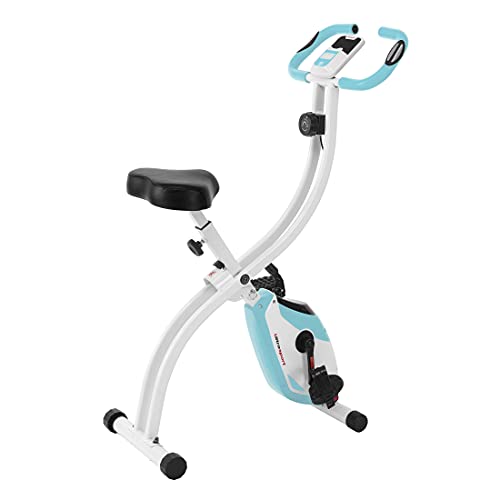
6. Just how much should I spend on a stationary bike?
Costs can differ extensively based on features, brand, and quality. Anticipate to invest anywhere from ₤ 200 to ₤ 2,000. Set your budget according to your needs and designated use.
Stationary bicycles represent a flexible and efficient fitness tool that can accommodate users of all fitness levels. With a range of options readily available, comprehending the types, benefits, and features can empower people to make educated choices. By integrating stationary cycling into a fitness regimen, users can enhance their cardiovascular health, preserve a healthy weight, and enjoy the convenience of indoor cycling whenever they desire. Whether you’re a novice or an innovative cyclist, a stationary bicycle can be a vital addition to any fitness routine.


