This company has no active jobs
About Us
What NOT To Do In The Soffits Industry
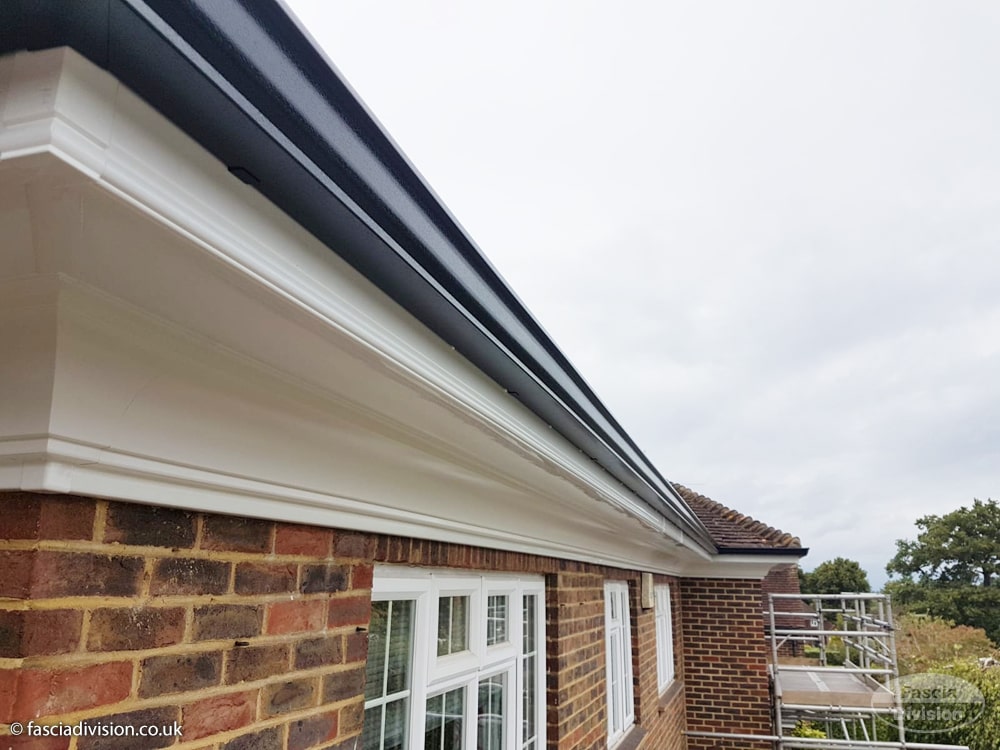
Understanding Fascias and Soffits: Essential Components of Your Roofline
Fascias and soffits play a vital role in the architecture of a home, particularly regarding the roofline. Though typically ignored, these components serve more than just aesthetic functions; they contribute substantially to the protection and performance of a building. This post will explore what fascias and soffits are, their functions, the products utilized for their building and construction, and their significance in home maintenance.
What Are Fascias and Soffits?
Fascia And Soffit Upgrades refers to the horizontal board that runs along the roofline, acting as a protective barrier between the roofing system and the exterior aspects. Frequently painted or treated, fascias likewise offer support for other roofing components, including the rain gutters.
Soffit, on the other hand, is the underside of the roof overhang. It normally extends from the fascia to the walls of the house. Soffits can be vented or solid, depending on the style and purpose.
Here’s a quick visual summary in a table:
| Component | Description | Main Function |
|---|---|---|
| Fascia | A horizontal board at the edge of the roof | Supports seamless gutters; offers a finished appearance |
| Soffit Replacement | The underside of the roofing overhang | Safeguards rafters; provides ventilation |
Functions of Fascias and Soffits
Both fascias and soffits serve crucial functions beyond simple aesthetic appeals:
1. Security from the Elements
- Fascias protect the roof rafters from water damage and insects. By keeping out wetness, they avoid rot and degeneration.
- Soffits protect the rafters from weather direct exposure and aid direct rain far from the structure.
2. Ventilation
Great ventilation is important for preserving roofing health. This is where soffits can be found in:
- Ventilated soffits allow air flow into the attic space, assisting to manage temperature and reduce wetness accumulation, reducing the risk of mold and mildew.
3. Aesthetic Appeal
- Both parts add to the overall aesthetic of a home. Properly maintained fascias and soffits improve the appearance of the property and can increase its market price.
4. Supporting Structure
- Fascia boards offer assistance for gutters, which are important for directing rainwater far from the home. This reduces the risk of water damage to the structure.
5. Bug Prevention
- The enclosed areas created by soffits can prevent birds and pests from nesting in the eaves, which assists maintain the stability of the roofline.
Materials Used for Fascias and Soffits
The products utilized for fascias and soffits have a direct influence on their toughness and maintenance. Common options include:
| Material | Description | Pros | Cons |
|---|---|---|---|
| Wood | Traditional choice, typically painted or stained | Visual appeal; great insulation | Prone to rot and bugs; needs regular maintenance |
| Vinyl | Made from PVC, offering a contemporary finish | Low maintenance; resistant to peeling and breaking | Restricted color alternatives; might fade gradually |
| Aluminum | Light-weight and long lasting | Resistant to rust; low maintenance | Can dent or scratch quickly; less insulation |
| Fiberglass | Long-lasting and versatile | Resistant to weather; can mimic wood | Greater cost; can be difficult to install |
Signs You Need to Replace Fascias and Soffits
Gradually, fascias and soffits can use down due to direct exposure to the elements. Here are essential indications that suggest it might be time for a replacement:
1. Peeling or Cracking Paint
- This suggests wetness damage and might recommend significant rot below the surface area.
2. Drooping or Warped Boards
- A sagging fascia can represent decay or water damage, calling for instant inspection.
3. Visible Moisture Damage
- If you see spots or damp spots on ceilings or walls, these could point to concerns originating from a damaged soffit or fascia.
4. Bugs or Insects
- If you notice increases in pest activity, it may indicate spaces or openings in the soffit or Fascia Board Replacement that need attention.
Frequently asked questions About Fascias and Soffits
Q1: How typically need to I check my fascias and soffits?A1: It’s recommended to examine fascias and soffits a minimum of when a year, particularly after harsh weather seasons. Q2: Can I replace fascias and soffits myself?A2: While
it’s possible for a skilled DIYer to change these components, working with a professional is suggested for the very best results. Q3: How much does it cost to replace fascias and soffits?A3: The expense can differ extensively based on materials and labor but typically varies from ₤ 1,500 to ₤ 3,000 for a basic home. Q4: Are vented soffits necessary?A4: Vented soffits are vital for homes with attics to keep airflow and help prevent heat and moisture buildup. Q5: How can I maintain my fascias and
soffits?A5: Regular cleaning, examinations, and instant repairs of any damages will assist maintain their condition.
Fascias and soffits might not steal the spotlight in home design
, but they are necessary for both performance and visual appeals. Understanding their roles, the materials utilized
, and the indications of wear can help house owners make informed decisions about maintenance and upgrades. Routine examinations and prompt replacements do not just boost curb appeal; they likewise safeguard your home from expensive damage down the line. By guaranteeing your fascias and soffits are in good condition, you’re investing in the longevity of your property.