
This company has no active jobs

Cooker Extractor Hoods
About Us
5 Killer Quora Answers On Cooker Extractor Fans
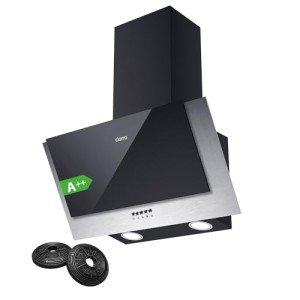
Understanding Cooker Extractor Fans: A Comprehensive Guide
Cooking is an art that combines taste with method, and it often comes with a bit of mess. Among the critical elements in maintaining a clean and healthy kitchen environment is the cooker extractor fan. These gadgets become part of the kitchen’s ventilation system, developed to blend away smoke, steam, odors, and air-borne particles that can accumulate throughout cooking. This article aims to supply an extensive understanding of cooker extractor fans, their types, advantages, installation, maintenance ideas, and responses to regularly asked concerns.
What is a Cooker Extractor Fan?
A cooker extractor fan, likewise referred to as a range hood or kitchen hood, is a device set up above the cooking area. It functions to filter and expel undesirable odors, steam, and airborne grease, thereby preserving great air quality in the kitchen. These fans can be found in various sizes, designs, and performances, accommodating various kitchen designs and cooking styles.
Table 1: Types of Cooker Extractor Fans
| Type | Description | Advantages | Downsides |
|---|---|---|---|
| Wall-Mounted | Set up on the wall above the cooking range | Space-efficient, visual appeal | Needs wall area and ducting |
| Island | Hangs above kitchen islands | Stylish, ideal for open layouts | More costly, requires ceiling support |
| Under-Cabinet | Fits underneath kitchen cabinets | Compact, does not use up additional space | Minimal power, might need ducting |
| Downdraft | Pop-up fan incorporated into the cooktop | Minimalistic design, conserves space | Less reliable than ducted options |
| Ceiling-Mounted | Installed in the ceiling, frequently in larger kitchens | Covers large locations, modern design | Professional setup required |
The Importance of Cooker Extractor Fans
-
Improved Air Quality: Cooking typically launches harmful contaminants and grease particles. An extractor fan assists remove these pollutants, guaranteeing much healthier air in the kitchen.
-
Odor Control: Different cuisines emit unique smells. A great cooker extractor fan effectively reduces remaining odors, making the kitchen a pleasant space.
-
Wetness Reduction: Steam produced throughout cooking can lead to moisture buildup, which may promote mold growth. An extractor fan helps manage humidity levels in the kitchen.
-
Cleaner Environment: By catching grease and vapors, extractor fans add to a cleaner kitchen environment, reducing the requirement for frequent cleansing.
Picking the Right Extractor Fan
Choosing an extractor fan includes thinking about various aspects, consisting of kitchen size, style, and cooking habits. Here are the key points to remember:
Table 2: Factors to Consider When Choosing an Extractor Fan
| Factor | Factor to consider |
|---|---|
| Kitchen Size | Larger kitchens may need more powerful fans |
| Ducted vs. Ductless | Ducted fans vent outdoors; ductless recirculate air with filters |
| Noise Level | Examine for fan noise rankings; quieter designs are preferable |
| CFM Rating | Think about the fan’s air flow effectiveness, usually measured in Cubic Feet per Minute (CFM) |
| Style | Select a style that matches your kitchen decoration |
Installation and Maintenance
Proper setup and routine upkeep are essential for optimum efficiency.
Setup Tips
- Follow Manufacturer’s Instructions: Always speak with the installation manual for specific guidelines.
- Employ a Professional: For ducted alternatives, expert setup might be essential to ensure proper venting.
- Positioning: The fan should be installed at the suitable height above the cooking range, generally 20– 30 inches for electrical and 24– 30 inches for gas stoves.
Maintenance Tips
- Clean Filters Regularly: Most extractor fans come with detachable filters that need to be cleaned or changed frequently to guarantee effectiveness.
- Examine Fan Blade: Ensure the fan blades are clean to avoid motor stress.
- Examine Ducts: For ducted designs, regular evaluation and cleansing of ducts can avoid clogs and improve airflow.
Often Asked Questions (FAQ)
-
How frequently should I clean my cooker extractor fan?
- It is advised to clean up the fan’s filters on a monthly basis and to deep tidy the whole unit every 6 months.
-
Do I require to use a ducted extractor fan?
- Ducted fans are more efficient as they vent air outside. Nevertheless, if installation is a concern, ductless choices with triggered charcoal filters are ideal options.
-
What is the perfect CFM for my kitchen?
- A general rule is that the CFM needs to be 100 for every single 10,000 BTUs of the stove. For typical cooking, a fan with a CFM score of 300-600 is typically adequate.
-
Are extractor fans loud?
- Noise levels vary. When picking a fan, look for designs with lower sones (a step of loudness), ideally below 3 for a quieter operation.
-
Can I install an extractor fan myself?
- While some designs, like under-cabinet fans, might be much easier for DIY setup, ducted designs generally require expert assistance.
Cooker extractor fans play an essential role in enhancing both the performance and convenience of a kitchen. With numerous types readily available, understanding their features, advantages, and upkeep requirements can assist property owners make notified options. Whether cooking a basic meal or crafting a premium work of art, a well-ventilated kitchen makes all the difference. Buying a proper extractor fan not only enhances air quality however also adds to a cleaner, more enjoyable cooking environment.


