
This company has no active jobs

Cooker Extractor Fan
About Us
Guide To Extractor Fan Hood: The Intermediate Guide The Steps To Extractor Fan Hood
The Essential Guide to Extractor Fan Hoods
In modern kitchens, preserving a clean and breathable environment is vital for both cooking satisfaction and general health. An extractor fan hood, also called a range hood or kitchen hood, plays a critical role in ensuring the kitchen stays devoid of unwanted smoke, smells, and grease. This detailed guide will explore the significance of extractor fan hoods, their working systems, types, benefits, setup tips, upkeep information, and answers to regularly asked concerns.
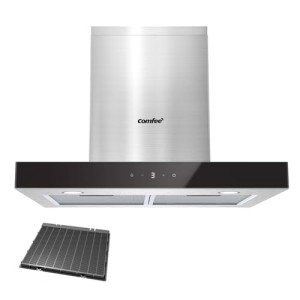
What is an Extractor Fan Hood?
An extractor fan hood is a ventilating gadget installed above the cooking range or stove to get rid of airborne grease, smoke, heat, and odors. It functions by drawing air up and after that straining pollutants, expelling either outside or recirculating the clean air back into the kitchen.
Table 1: Functions of an Extractor Fan Hood
| Function | Description |
|---|---|
| Air Filtration | Eliminates smoke, smells, and airborne particulates |
| Heat Removal | Lowers excess heat produced throughout cooking |
| Improved Air Quality | Improves indoor air quality in the kitchen |
| Lighting | Often includes built-in lighting for better presence |
Types of Extractor Fan Hoods
Extractor fan hoods come in numerous designs and performances, guaranteeing that there is one to meet every kitchen’s requirements.
Table 2: Types of Extractor Fan Hoods
| Type | Description |
|---|---|
| Wall-Mounted | Mounted on the wall above the range; popular in modern kitchens. |
| Under-Cabinet | Installed underneath kitchen cabinets for a structured appearance. |
| Island | Suspended from the ceiling, suitable for open kitchens with an island. |
| Downdraft | Built into the counter and rises when needed; conserves area. |
| Portable | Standalone units that can be moved as needed; ideal for small kitchens. |
Benefits of Using an Extractor Fan Hood
-
Improved Air Quality: By getting rid of smoke and smells, extractor fan hoods add to a much healthier cooking environment.
-
Smell Control: They prevent sticking around cooking smells from spreading throughout the home.
-
Minimized Heat: Extractor fan hoods can help in reducing excess heat, making cooking more comfy, specifically in warmer months.
-
Grease Prevention: They record greasy particles from cooking, decreasing build-up on walls and cabinets.
-
Improved Kitchen Aesthetics: A trendy hood can serve as a focal point, elevating the total kitchen design.
Table 3: Key Benefits of Extractor Fan Hoods
| Advantage | Description |
|---|---|
| Hygiene | Lessens bacteria and air-borne pollutants |
| Convenience | Lowers heat, making cooking more satisfying |
| Visual Appeal | Contributes to the kitchen’s visual appeal |
| Performance | Enhances the total performance of the kitchen |
How to Choose the Right Extractor Fan Hood
When choosing an extractor fan hood, consider the following factors:
- Size: Ensure the hood is the best size for your cooking range. As a rule of thumb, the hood needs to be at least as broad as the cooking surface area.
- Power: Look for a model with sufficient airflow (determined in CFM – cubic feet per minute) for your cooking routines. For high-heat cooking, aim for greater CFM.
- Duct Type: Decide between ducted and ductless models based upon your kitchen layout and regional ventilation alternatives.
- Sound Level: Some designs are quieter than others; examine the sone ranking (a system of volume) to discover a design that won’t disrupt your cooking environment.
Setup Tips
- Area: Install the hood 30-36 inches above the cooking range for optimal efficiency.
- Ducting: If using ducted ventilation, guarantee correct duct size and length for efficient airflow.
- Electrical Work: Engage a qualified electrician for power connection to avoid security hazards.
Upkeep of Extractor Fan Hoods
Routine upkeep is vital to ensure the durability and efficiency of an extractor fan hood.
List: Maintenance Tips
- Clean Filters Regularly: Metal filters should be cleaned on a monthly basis, while charcoal filters (in ductless hoods) might require replacement roughly every six months.
- Wipe Down Exterior Surfaces: Regularly clean the exterior of the hood to keep it looking brand-new.
- Look For Oil Build-Up: Inspect and remove any grease accumulation to prevent decreased efficiency.
Frequently Asked Questions (FAQs)
1. How frequently should I run my extractor fan hood?
It is advisable to run the extractor fan hood while cooking and for a couple of minutes after cooking to get rid of any lingering heat and odors.
2. Can I install an extractor fan hood myself?
While some homeowners might choose to install a hood themselves, it is advised to hire an expert, specifically if ducting or electrical work is included.
3. What type of filter is best for my hood?
It depends on whether your hood is ducted or ductless. Ducted hoods use metal filters, while ductless designs require charcoal filters to get rid of odors.
4. How do I understand what size extractor fan hood to buy?
Measure your cooking range, and choose a hood that is at least the very same width or slightly larger. Don’t forget to consider the height from the range to the hood.
5. What is the typical lifespan of an extractor fan hood?
With correct upkeep, a lot of extractors can last anywhere from 10 to 15 years.
Executing an extractor fan hood in the kitchen is an integral part of preserving a healthy and satisfying cooking environment. By ending up being familiar with the different kinds of hoods readily available, the advantages they offer, and how to pick and preserve them, property owners can make informed choices to boost their cooking areas. Whether reducing cooking odors, managing heat, or just improving air quality, an extractor fan hood is unquestionably an essential kitchen home appliance.


