
This company has no active jobs

Best Home Treadmill Uk
About Us
What Is Gym Treadmill? History Of Gym Treadmill In 10 Milestones
Treadmills: A Comprehensive Guide to Understanding Their Functionality, Benefits, and Appropriate Selection
Introduction
Treadmills have actually become a staple in contemporary fitness regimens, both in homes and gyms worldwide. They use a hassle-free and efficient way to maintain cardiovascular health, boost endurance, and assist in weight management. This article explores the various types of treadmills, their benefits, features to think about when buying, and some FAQs to direct users in making notified decisions.
Kinds of Treadmills
When it concerns choosing a treadmill, it is crucial to understand the different types available in the market. Here are the primary classifications:
1. Handbook Treadmills
- System: These treadmills have a simple style and count on the user’s efforts to move the belt.
- Pros: More budget friendly, quieter operation, no electrical energy required.
- Cons: Limited functions, may not offer the very same range of workout intensity.
2. Motorized Treadmills
- System: Powered by a motor that drives the belt, allowing users to stroll or perform at a set speed.
- Pros: Greater variety of speeds and inclines, equipped with numerous functions such as heart rate monitors and workout programs.
- Cons: More costly and might require more upkeep.
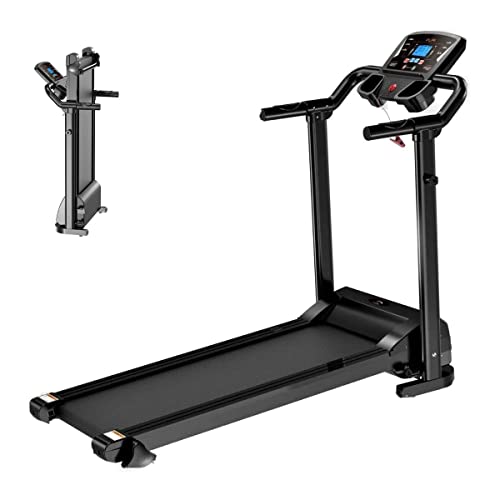
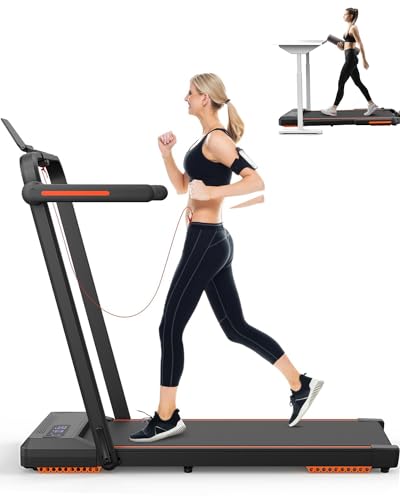
3. Folding Treadmills
- Mechanism: Designed for those with minimal space, these treadmills can be folded for easy storage.
- Pros: Space-saving, often motorized, versatile functions.
- Cons: May be less long lasting than non-folding designs.
4. Commercial Treadmills
- Mechanism: High-quality machines created for use in fitness centers and gym.
- Pros: Built to endure heavy use, advanced functions, frequently consist of guarantees.
- Cons: Pricey and not perfect for home usage due to size.
5. Curved Treadmills
- System: A distinct style that enables users to propel the belt utilizing their own energy.
- Pros: Offers a more natural running experience, promotes better running kind.
- Cons: More pricey and can be noisier.
| Treadmill Type | Pros | Cons |
|---|---|---|
| Handbook | Inexpensive, no electrical energy needed | Minimal features |
| Motorized | Range of speeds, advanced functions | Upkeep required |
| Folding | Space-saving, frequently motorized | May do not have sturdiness |
| Industrial | Developed to last, professional-grade features | Pricey |
| Curved | Natural running experience, promotes good form | Greater price |
Benefits of Using Treadmills
Treadmills use many advantages that can add to one’s general health and wellness goals. Some of these benefits include:
- Convenient Workouts: Treadmills permit users to work out indoors despite weather.
- Cardiovascular Health: Regular use can improve heart health by increasing endurance and promoting healthy circulation.
- Weight Management: Effective for burning calories, which assists in weight loss and management.
- Adjustable Workouts: Users can control speed, slope, and duration to create individualized workout experiences.
- Security: Treadmills offer a predictable surface, reducing the risk of falls compared to outdoor running.
- Multifunctional: Many treadmills featured features like heart rate screens, exercise programs, and even home entertainment systems.
Selecting the Right Treadmill
When picking a treadmill, prospective buyers should consider numerous key elements:
Features to Consider:
- Motor Power: Typically determined in horse power (HP), a motor strength of at least 2.5 HP is advised for severe runners.
- Belt Size: A longer and broader belt accommodates different stride lengths, offering comfort during workouts.
- Slope Settings: Adjustable slope features replicate outside hill running and can increase workout intensity.
- Weight Capacity: Ensure the treadmill can support the user’s weight for safety and longevity.
- Console Features: Look for easy to use control panels, exercise programs, and Bluetooth compatibility for streaming music or other functions.
Spending plan Considerations
- Under ₤ 500: Entry-level manual treadmills appropriate for casual walkers.
- ₤ 500 – ₤ 1,500: Mid-range motorized treadmills that use more functions and better durability.
- ₤ 1,500 – ₤ 3,000: High-end designs with innovative innovation, larger motors, and longer warranties.
- Over ₤ 3,000: Commercial-grade treadmills perfect for regular usage in health clubs or training facilities.
Frequently Asked Questions (FAQs)
1. How typically should I utilize a treadmill?
It is recommended to use a treadmill at least three to five times a week, including various intensity levels For Sale treadmill best outcomes.
2. Can I slim down by utilizing a treadmill?
Yes, consistent use of a treadmill can contribute to weight reduction, especially when integrated with a well balanced diet and strength training.
3. What is the best speed to walk on a treadmill for beginners?
A speed of 3 to 4 miles per hour is an appropriate variety for newbies. It’s necessary to begin sluggish and gradually increase speed as convenience and stamina enhance.
4. Do I need to utilize a treadmill if I currently run outdoors?
Utilizing a treadmill can offer fringe benefits, such as regulated environments and differed workouts (incline, periods) that are not always possible outdoors.
5. How do I keep my treadmill?
Routine maintenance includes lubing the belt, cleaning up the deck and console, and inspecting the motor for optimum efficiency.
Treadmills are necessary tools for those aiming to improve their fitness levels in a controlled and convenient manner. With various types readily available, comprehending their functions and advantages is important for making an informed purchase. By thinking about personal workout requirements, area schedule, and spending plan restrictions, individuals can find the most appropriate treadmill that fits their lifestyle. Incorporating treadmill workouts into a well balanced fitness routine can cause improved health results and a satisfying exercise experience.


