

This company has no active jobs
About Us
Ten Kids Bunk Beds That Really Make Your Life Better
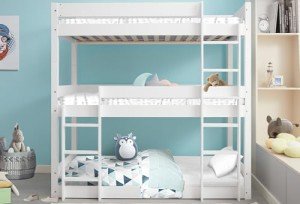
The Ultimate Guide to Kids Bunk Beds: Maximizing Space and Fun
With the increase of vertical living and smaller sized areas, the appeal of bunk beds has actually soared among households. Bunk beds not only use a useful sleeping solution, especially in shared spaces, however they also bring a component of enjoyable into a kid’s life. This comprehensive guide delves into the functions, advantages, and factors to consider of kids’ bunk beds, making it easier for moms and dads to choose the best bed for their kids.
Functions of Kids Bunk Beds
Bunk beds are versatile furniture pieces that serve more than a single purpose. Here are some crucial functions to consider:
| Feature | Description |
|---|---|
| Material | Bunk beds can be built from wood, metal, or a mix of both, providing differing levels of sturdiness and design options. |
| Safety Features | The majority of bunk beds come equipped with guardrails, protected ladders, and topped supports for safety, particularly essential for children. |
| Style Variety | Choices vary from traditional styles to contemporary styles, guaranteeing a match for any space design. |
| Space-Efficiency | Bunk beds use vertical space, making them ideal for smaller spaces. |
| Convertible Options | Some models can be transformed into 2 separate beds, supplying flexibility as children grow. |
| Storage Solutions | Some bunk beds come with integrated storage drawers or shelves, helping to keep the space organized. |
Advantages of Kids Bunk Beds
Purchasing a bunk bed comes with numerous benefits:
- Space Saving: Bunk beds make the most of flooring space, permitting more backyard or storage options.
- Fun Factor: With a bunk bed, kids Bunk beds belong that cultivates creativity and companionship throughout slumber parties or playdates.
- Economical: Instead of purchasing 2 different beds, a bunk bed can accommodate two kids at the same time, saving money in the long run.
- Flexibility: Many bunk beds can be disassembled or converted into twin beds, making them a long-lasting financial investment as kids’s requirements change.
- Social Interaction: Bunk beds motivate family bonding and relationships, offering an inviting space for kids to share stories and laughter.
Factors to consider When Choosing a Kids Bunk Bed
When choosing the ideal bunk bed for a child, parents ought to consider different aspects:
- Safety Standards: Ensure that the bunk bed abide by safety policies and includes essential safety functions.
- Age Appropriateness: Different designs accommodate various age groups. For instance, traditional bunk beds might not be suitable for younger kids.
- Space Dimensions: Measure the bedroom to guarantee the bunk bed fits properly, enabling space to move easily.
- Weight Capacity: Consider the weight load of each bed and ensure it accommodates the child’s weight comfortably.
- Style Preferences: Letting children take part in the choice procedure can assist them feel more fired up about their new bed.
Kinds Of Kids Bunk Beds
Bunk beds can be found in different styles and setups to match numerous needs:
| Type | Description |
|---|---|
| Standard Bunk Bed | A timeless design with one bed stacked on top of another, usually using a ladder to access the leading bunk. |
| L-Shaped Bunk Bed | Functions two bunk beds linked in an L-shape, frequently more roomy and appropriate for kids sharing a room however needing a bit more space. |
| Triple Bunk Bed | Consists of 3 stacked beds, suitable for optimizing sleeping plans in really restricted areas. |
| Loft Bed | A raised bed with space below that can act as a play area, research study corner, or extra storage. |
| Futon Bunk Bed | Integrates a bunk bed on leading with a futon or couch underneath, making it great for sleepovers and taking full advantage of space usage. |
| Convertible Bunk Bed | Can be separated into 2 private beds, using flexibility as children’s needs change. |
Caring for Kids Bunk Beds
Keeping bunk beds is important for guaranteeing durability and security. Here are some simple care practices:
- Regular Inspections: Check the bed regularly for loose screws and tightened up bolts to ensure stability.
- Cleanliness: Keep bedding tidy and fresh, turning bed mattress for even wear.
- Guardrails: Ensure guardrails are secure and in location, specifically if children tend to walk around a lot in their sleep.
- Air Circulation: Ensure the bed has enough airflow, preventing moisture buildup that can result in mold or mildew.
Frequently Asked Questions About Kids Bunk Beds
Q1: At what age can a kid securely utilize a bunk bed?
A1: Generally, kids aged 6 and older are considered safe to use the upper bunk due to the height and stability aspects included.
Q2: Can I place a bunk bed near a window?
A2: It is a good idea to prevent placing a bunk bed near windows to decrease the threat of falling or injuries.
Q3: Are bunk beds safe for more youthful children?
A3: While some modern-day bunk beds come with safety functions accommodating younger children, it is normally recommended to wait until they are older, typically over 6 years.
Q4: What is the common weight limitation for leading bunks?
A4: Weight limits vary by model but typically range from 150 to 250 pounds. Always refer to the manufacturer’s specs.
Q5: How frequently should I inspect the bunk bed’s safety features?
A5: It is a good idea to conduct a security check every couple of months or whenever you notice any signs of wear.
Kids’ bunk beds act as a tactical option for families wanting to take full advantage of space while supplying a fun and engaging sleeping environment for their children. With a range of options available– from basic designs to loft beds– parents have the liberty to select something that fulfills their family’s particular needs. By considering essential elements such as security, space viability, and their kids’s preferences, moms and dads can make an informed option, making sure that each kid is delighted about bedtime while gaining from an efficient space.


